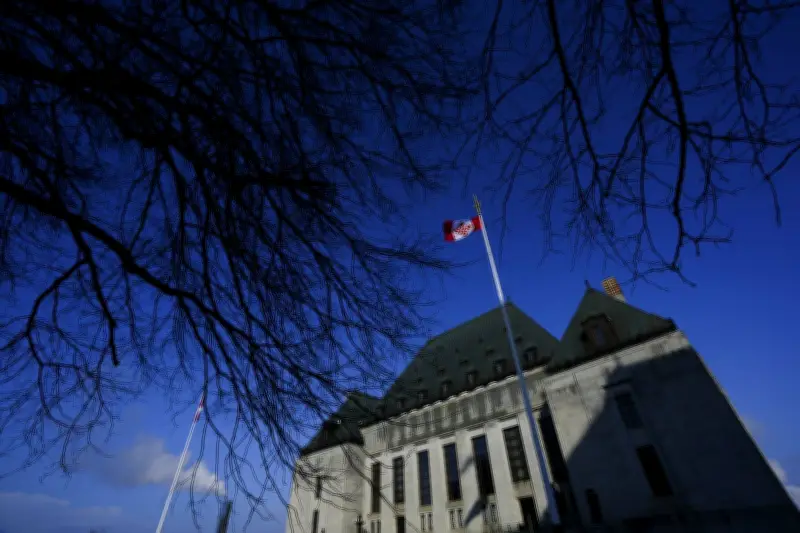
The Supreme Court of Canada has ruled that New Brunswick's lieutenant-governor must be bilingual, a decision that reinforces language rights in the province. The ruling, delivered on June 12, 2026, stems from a challenge to the appointment of an English-only lieutenant-governor, which was argued to violate the province's official bilingualism laws.
Court's Decision
In a unanimous decision, the high court determined that the lieutenant-governor, as a representative of the Crown in a bilingual province, must be able to communicate in both official languages. The court emphasized that this requirement is essential to uphold the spirit of New Brunswick's Official Languages Act and the Canadian Charter of Rights and Freedoms.
Implications
This ruling sets a precedent for future appointments and underscores the importance of bilingualism in public office. Legal experts say it could influence similar cases in other provinces with linguistic minorities. The decision was met with praise from Francophone advocacy groups, who called it a victory for minority language rights.

The case arose when a group of citizens challenged the appointment of a unilingual lieutenant-governor in 2024. The lower courts had split on the issue, prompting the appeal to the Supreme Court. The federal government has not yet commented on the ruling, but New Brunswick Premier Blaine Higgs stated that the province will comply with the decision.
Background
New Brunswick is Canada's only officially bilingual province, with both English and French recognized as equal languages. The lieutenant-governor's role includes ceremonial duties and representing the monarch. Critics of the previous appointment argued that a unilingual officer could not adequately serve the province's diverse population.
Language rights have been a contentious issue in New Brunswick, with debates over services, education, and now public office. This ruling is expected to have a lasting impact on how the province approaches bilingualism in government.