

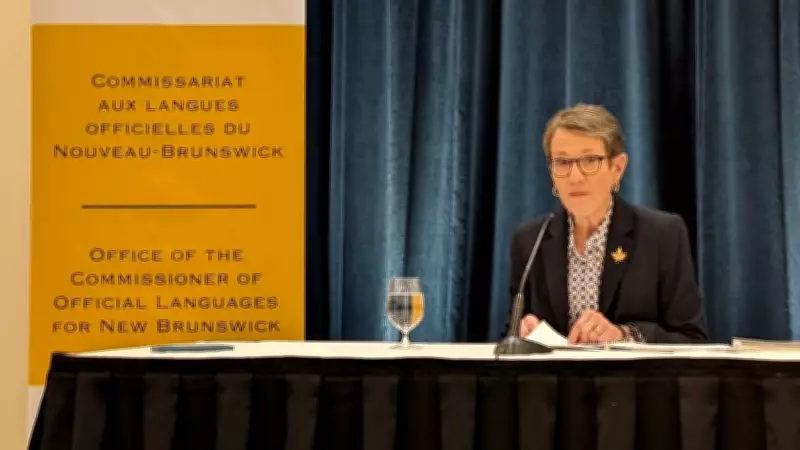
Language Requirements 'Even More Important' During Emergencies: N.B. Commissioner
New Brunswick's Commissioner of Official Languages, Shirley MacLean, has issued a stark reminder about the heightened significance of bilingual services during emergency situations. In a recent statement, MacLean underscored that ensuring access to information in both English and French is not merely a matter of policy compliance but a critical component of public safety and effective crisis management.
The Vital Role of Bilingual Communication in Crises
During emergencies, whether they involve natural disasters, public health crises, or security threats, timely and clear communication can mean the difference between life and death. Commissioner MacLean argues that language requirements become even more important in these high-stakes scenarios. Residents must receive warnings, instructions, and updates in a language they fully understand to take appropriate protective actions.
"In moments of crisis, confusion is our greatest enemy," MacLean stated, emphasizing that linguistic barriers can exacerbate panic and hinder evacuation or response efforts. New Brunswick, as Canada's only officially bilingual province, has a legal and moral obligation to serve all its citizens equitably, especially when they are most vulnerable.

Challenges and Imperatives for Emergency Services
The commissioner's comments highlight ongoing challenges in implementing consistent bilingual protocols across various emergency response agencies. These include:
- Ensuring 24/7 availability of interpreters and bilingual staff for emergency hotlines.
- Developing and distributing multilingual emergency alerts through systems like Alert Ready.
- Training first responders to communicate basic safety information in both official languages.
- Creating accessible online resources and physical signage in English and French for shelters and aid stations.
MacLean pointed out that failures in this area not only risk lives but could also lead to legal repercussions under New Brunswick's Official Languages Act. The act mandates that provincial institutions provide services in both languages, a requirement that does not lapse during emergencies.
Broader Implications for Policy and Preparedness
This emphasis on linguistic accessibility during crises comes amid broader discussions about inclusive emergency preparedness. As climate change increases the frequency and severity of extreme weather events, and as global pandemics remain a threat, the need for robust, multilingual communication strategies is more pressing than ever.
Commissioner MacLean's advocacy serves as a call to action for municipalities, provincial agencies, and federal partners to audit and strengthen their bilingual emergency plans. It reinforces the principle that protecting the public requires meeting them where they are—linguistically and culturally—to ensure no one is left behind when disaster strikes.






