Supreme Court Justices Engage in Heated Public Debate Over Trump-Related Rulings
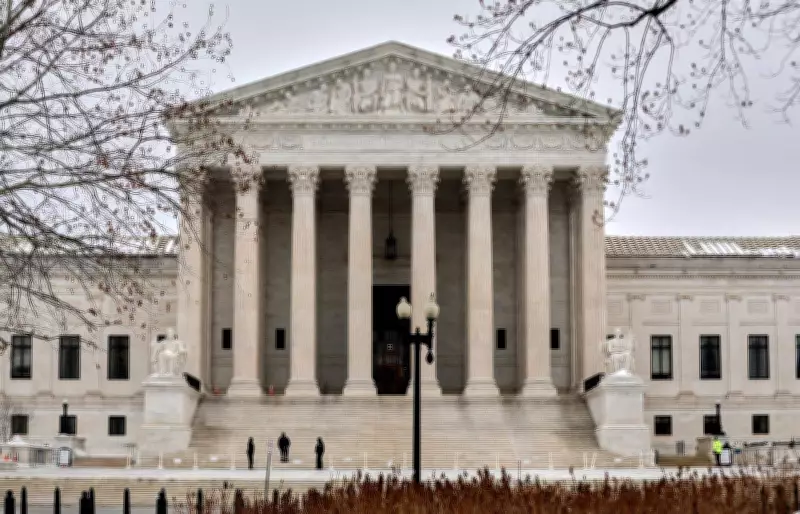
In a rare public display of judicial discord, Supreme Court Justices Ketanji Brown Jackson and Brett Kavanaugh recently sparred over court orders that have favored former President Donald Trump. The exchange occurred during a shared speaking engagement, underscoring the deep ideological divides within the nation's highest court.
A Clash of Judicial Philosophies
Justice Jackson, appointed by President Biden, expressed strong concerns about the court's recent trajectory, particularly regarding cases involving Trump. "When the court consistently issues rulings that benefit a single individual, especially one with ongoing legal matters, it risks undermining public confidence in our institution's impartiality," she stated. Jackson emphasized that the judiciary must remain above partisan politics to maintain its legitimacy.
Justice Kavanaugh, a Trump appointee, defended the court's actions as strictly procedural and legally sound. "Our duty is to apply the law as written, not to consider political consequences," he countered. Kavanaugh argued that the orders in question were based on established legal principles and due process, not personal favoritism.

The Context of Recent Supreme Court Decisions
The debate reflects ongoing tensions over several high-profile cases where the Supreme Court has ruled in Trump's favor, including matters related to:
- Presidential immunity claims
- Access to classified documents
- State-level ballot eligibility challenges
These decisions have sparked controversy, with critics accusing the court's conservative majority of judicial overreach and partisan bias. Jackson pointed to what she described as a "disturbing pattern" of outcomes that align with Trump's legal interests, while Kavanaugh maintained that each ruling was independently justified.
Broader Implications for the Judiciary
This public disagreement between two sitting justices is highly unusual and signals the intensity of internal debates behind closed doors. Legal analysts suggest such open conflict may influence:
- Public perception of the court's neutrality
- Future confirmation processes for judicial nominees
- The court's approach to politically sensitive cases
Both justices acknowledged the importance of civil discourse but stood firm in their contrasting views. Jackson called for greater transparency in decision-making, while Kavanaugh stressed adherence to textual interpretation.
The event, held in Washington, D.C., attracted significant attention from legal scholars and political observers. It comes amid heightened scrutiny of the Supreme Court's role in shaping American democracy, particularly as Trump faces multiple legal challenges. The exchange between Jackson and Kavanaugh serves as a potent reminder of the ongoing struggles within the judiciary to balance legal principles with political realities.