

Iran's 1979 Revolution: A Cautionary Tale for Western Leftists Aligning with Islamists
Iran has been experiencing significant unrest as citizens across various cities and provinces courageously challenge a clerical regime that has maintained control through religious coercion, surveillance, and fear for nearly five decades. What began with merchant classes who were once regime loyalists has evolved into a widespread uprising, drawing participation from young women, workers, students, professionals, and even grandmothers risking their lives for change.
These protesters are demonstrating against numerous oppressive conditions including a collapsed rial currency, a crippled economy, compulsory hijab laws, public executions, morality policing, and severe water shortages. Their fundamental goal is to overthrow the ayatollahs and establish a society where they can live with genuine freedom and autonomy.
The Fragile Grip of the Islamic Republic
The stability of the Islamic Republic can no longer be taken for granted, yet the regime continues to maintain its hold through state control mechanisms, violence, and intimidation tactics. Without substantial external pressure, this authoritarian system is likely to persist despite widespread domestic opposition.

For those who genuinely value freedom, equality, and women's rights, the moral imperative to support these protests should be unmistakable. However, across much of the western progressive landscape, the response has been surprisingly muted. Iranian-led demonstrations abroad have struggled to maintain sustained attention, and the movement's emphasis on secular governance, women's liberation, and ending costly foreign provocations doesn't easily fit within ideological frameworks primarily organized around hostility toward Western nations.
The Western Left's Ideological Contradictions
The relative silence from the western left regarding Iran's current uprising reveals deep ideological contradictions—an apparent unwillingness to recognize a struggle for freedom that doesn't conform to established paradigms. Iran's historical experience should serve as a powerful mirror, showing contemporary leftist movements what can happen when they form alliances with Islamist groups: once the so-called Red-Green alliance has served its immediate purpose, Islamist movements typically eliminate their leftist partners.
The term "Red-Green alliance" refers to the convergence between radical left movements ("Red") and Islamist movements or their advocates ("Green"), grounded today in shared opposition to Western influence, Israel, and the liberal international order. This creates striking contradictions, such as in Canadian cities where feminist activists and proponents of Shariah law stand together at pro-Hamas rallies.
Historical Lessons from Iran's 1979 Revolution
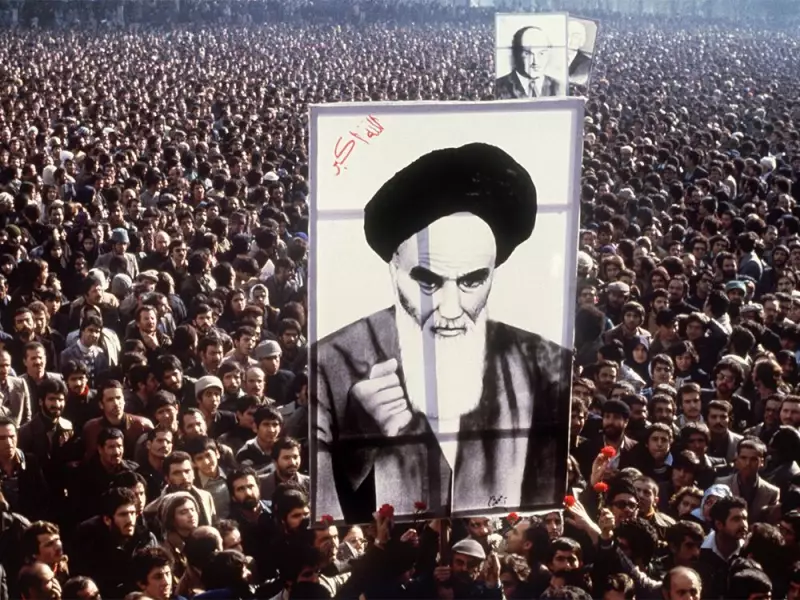
Iran itself provides the clearest historical warning about where such contradictory political alliances can ultimately lead. The Iranian Revolution of 1979 began as a broad, heterogeneous uprising against the Shah's monarchy, involving Marxists, secular liberals, nationalists, labor organizers, and religious movements. What unified these diverse forces wasn't a shared vision for the society they wanted to build, but rather a common hostility toward the monarchy, American influence, and Western-aligned power structures.
Secular leftist groups played significant roles in organizing strikes and mass demonstrations during this period. Meanwhile, Islamist networks led by Ayatollah Ruhollah Khomeini provided a unifying moral narrative and existing social infrastructure. Many on the left believed they were entering a temporary alliance, assuming the clerical movement lacked both the ideological coherence and institutional capacity to dominate a modern state. Khomeini was widely viewed as a transitional figure, with leftists expecting that once the monarchy fell, opportunities would emerge for socialist or democratic transformation.
Instead, once the Shah was overthrown, Khomeini's followers moved rapidly to consolidate power, systematically marginalizing and eliminating their former leftist allies. This historical pattern offers crucial lessons for contemporary political movements considering similar alliances based primarily on opposition rather than shared positive values.






