

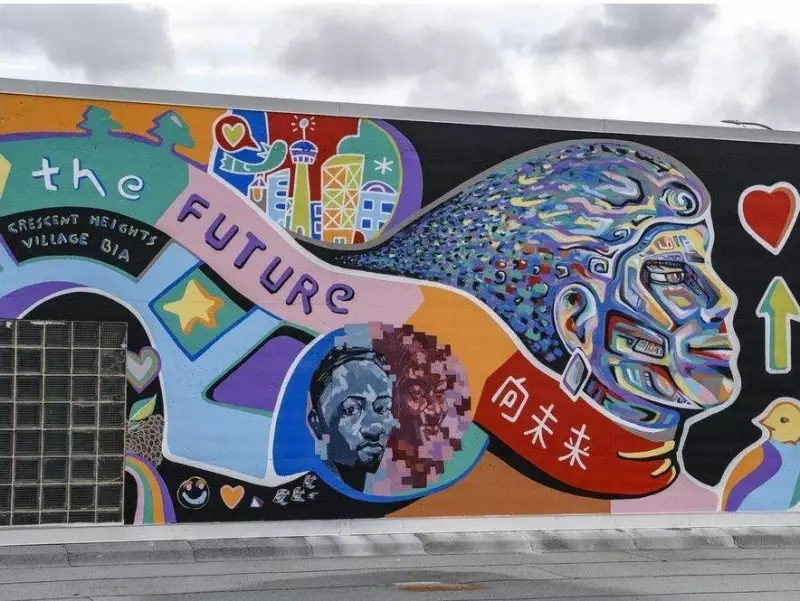
What stories does Alberta tell itself about its identity? According to poet Ben Okri, quoted by author Malinda S. Smith, the health and confidence of a people are tied to the narratives they embrace. In a recent commentary, Smith argues that for Alberta to thrive, it must expand its story to fully include the rights and contributions of all its people, thereby reaping a significant pluralism dividend.
The Challenge and Promise of Super-Diversity
Alberta is often depicted as a province riven by political and cultural divides, where diversity is seen as a source of tension rather than strength. Yet, the demographic reality tells a different story of immense potential. Nearly 28 per cent of Albertans identify as racialized. Calgary, in particular, has undergone one of the nation's most rapid transformations, with over one-third of its residents foreign-born.
This population hails from more than 240 ethnic backgrounds and speaks some 165 languages. Sociologist Steven Vertovec defines this complex reality as super-diversity, a condition marked by varied migration histories, legal statuses, and intersecting social differences. The vitality of Alberta's pluralistic society, Smith contends, depends on whether every resident can access essentials like safety, dignity, opportunity, and meaningful participation.

Inclusion as the Foundation for Prosperity
The central thesis is that inclusion is not a concession but a prerequisite for shared success. Smith introduces the concept of the pluralism dividend—the democratic, social, and economic returns that materialize when diversity is actively cultivated, not merely tolerated or suppressed. This dividend, however, is not automatic; it must be consciously built.
The foundation for this pluralistic order is deeply rooted. Indigenous legal orders and treaty-based rights, affirmed in Section 35 of the Constitution and the UN Declaration on the Rights of Indigenous Peoples, predate the province itself. These rights are fundamental to shaping relationships with land, governance, and communal responsibility in Alberta.
A History Built on Uneven Struggles
Alberta's journey toward its current diversity is marked by resilience in the face of exclusion. Early Chinese and Japanese settlers endured profound injustices, including head taxes, internment, and immigration bans. Despite these systemic barriers, they established businesses and neighborhood institutions that became integral threads in the province's social and economic fabric.
Trailblazers from these communities, such as Teresa Woo-Paw and Norman L. Kwong, later demonstrated how inclusion enriches public life and leadership. Their stories, and countless others, exemplify how the pluralism dividend has been secured through persistent advocacy and the everyday actions of ordinary people demanding recognition and rights.
The path forward for Alberta, as framed by Smith, is clear. To harness the full potential of its super-diversity and realize a substantial pluralism dividend, the province must ensure that human rights are not an abstract ideal but a lived reality for all. This means actively cultivating an environment where every story is valued, and every person can contribute to a larger, more confident provincial narrative.






