

The Heritage Foundation, a prominent American conservative think tank, has issued a significant new report calling on the United States government to make the strengthening of marriage and the traditional family unit a central policy priority. The report, published on January 09, 2026, outlines a series of recommendations aimed at reversing what the organization sees as a decline in family stability.
Key Recommendations for National Policy
The foundation's analysis argues that strong families are the bedrock of a healthy society and a functioning economy. The report proposes concrete legislative and administrative actions designed to remove what it terms "anti-family" biases from the tax code and federal welfare programs. A central theme is the promotion of a cultural shift that values lifelong marriage and child-rearing within that structure.
Specific policy suggestions are expected to include measures such as expanding the child tax credit in a way that benefits married couples, revising education curricula to highlight the benefits of marriage, and ensuring that welfare programs do not create financial disincentives for marriage. The think tank contends that decades of policy have inadvertently undermined the institution of the family, leading to broader social and economic challenges.

Leadership and Ideological Context
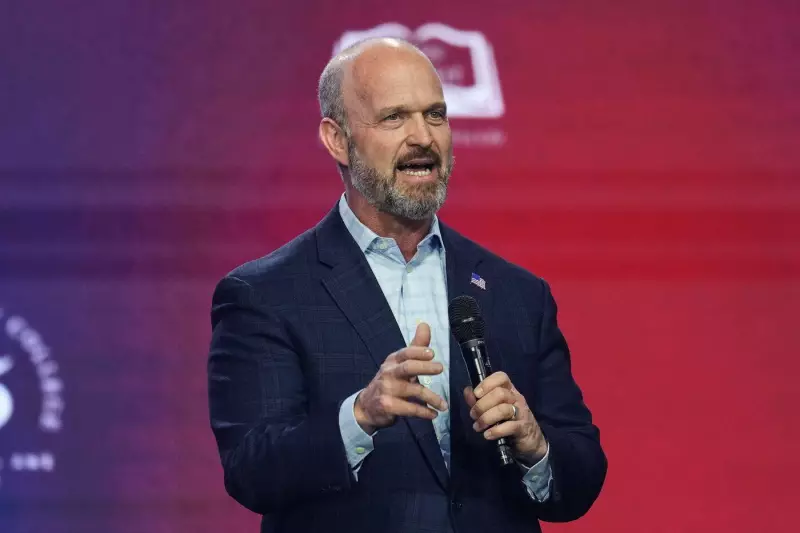
The report was released under the leadership of Kevin Roberts, the president of The Heritage Foundation. Roberts has been a vocal advocate for conservative social policies. He recently spoke at Turning Point USA's AmericaFest event in Phoenix on December 19, 2025, where he outlined similar themes concerning American values and cultural renewal.
The foundation's call to action is situated within a larger ideological movement that seeks to re-center traditional social structures in public life. This report is likely intended to influence the policy agenda in Washington, regardless of which party controls the levers of power, by providing a researched framework for pro-family legislation.
Potential Implications and Reactions
This comprehensive report is poised to reignite longstanding debates about the role of government in promoting specific family models. Advocates for LGBTQ+ rights, single parents, and diverse family structures may view the recommendations as exclusionary. Conversely, supporters will likely argue that the data supports a link between stable, two-parent households and positive outcomes for children.
The Heritage Foundation's influence on conservative policymaking is considerable, making this report a potential blueprint for future legislative efforts. Its release ensures that discussions around marriage incentives, parental rights, and family economics will remain at the forefront of the U.S. political conversation in 2026 and beyond. The ultimate impact will depend on the political climate and the ability of policymakers to translate these recommendations into law.






