

Conservatives Accuse Liberals of 'Gaslighting' Over Hate Speech Bill Amendments
Conservative members of Parliament have launched sharp criticism against the Liberal government's latest attempt to modify contentious hate speech legislation, accusing them of employing what they describe as "gaslighting" tactics through proposed "clarifying language" that fails to provide genuine protections for religious expression.
Contentious Bill Remains Stalled in Committee
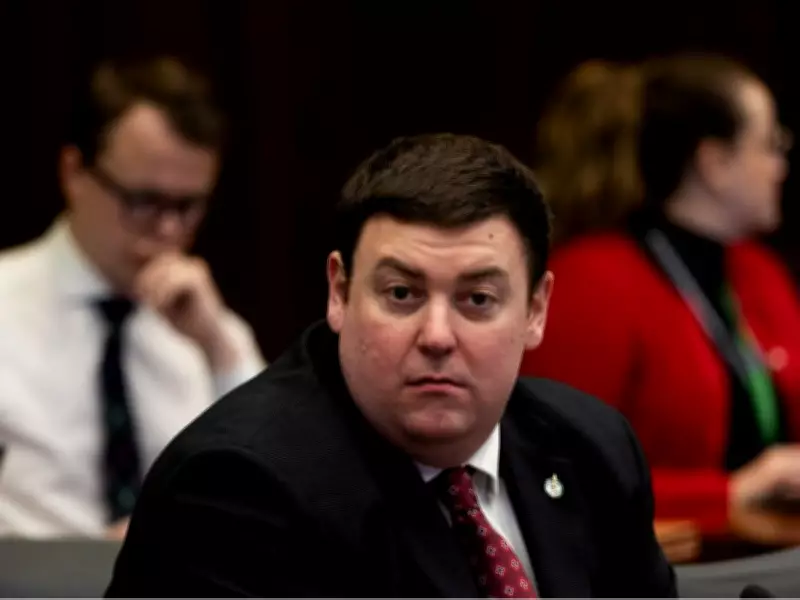
The political battle over Bill C-9, the Combatting Hate Act, continues to intensify as the legislation remains trapped in parliamentary committee review. Conservative MP Andrew Lawton voiced strong opposition during Monday's Standing Committee on Justice and Human Rights session, arguing that the Liberal government's proposed amendments offer no substantive protection for religious freedoms.
"There's no protection given. We're just being told that, 'don't worry, we're not going to erode your religious freedoms'," Lawton asserted during the heated committee discussion. His comments reflect growing Conservative frustration with what they perceive as empty assurances from the governing Liberals.

Background of the Legislative Conflict
Bill C-9 represents Prime Minister Mark Carney's government's first major justice legislation and proposes significant changes to Canada's legal framework regarding hate speech and symbols. The bill would create new criminal offences for:
- Intimidating individuals to block their access to places of worship or centers used by identifiable groups
- Promoting hatred through display of hate or terror symbols, including those associated with listed terrorist organizations or historical symbols like the swastika
The legislation has been mired in controversy since November, primarily due to a controversial amendment negotiated between the Liberals and Bloc Québécois that removes what has traditionally been known as the "religious exemption" from hate speech laws.
The Religious Exemption Controversy
Currently, Section 319 of the Criminal Code provides protection for individuals who express opinions "in good faith" based on religious texts, exempting them from hate speech convictions under specific circumstances. The Liberal-Bloc agreement to eliminate this exemption has sparked widespread concern among Conservative MPs, civil rights organizations, and numerous faith communities across Canada.
Liberal MP Patricia Lattanzio presented what she described as an "olive branch" to Conservatives during Monday's committee session, proposing additional clarifying language intended to address concerns raised by faith groups and legal experts. The proposed text states that nothing in the legislation prohibits communication on matters of public interest, including religious statements made during discussions or debates, provided there is no willful promotion of hatred.
Conservative Skepticism and Political Stalemate
Conservative members remain deeply skeptical of the Liberal proposal, viewing it as insufficient to protect religious expression while the fundamental removal of the religious exemption remains in place. The political impasse has resulted in multiple cancelled committee meetings and delayed progress on the legislation as parties negotiate behind closed doors.
Lattanzio defended the government's position, arguing that the previous religious exemption created "interpretive ambiguity" and that the proposed changes maintain the high legal threshold required for hate speech convictions. "For greater clarity, the bill will state in plain terms that nothing in this legislation affects worship, sermons, prayer, religious education, peaceful debate, or even the good faith of reading and discussion of religious texts," she told committee members.
Despite these assurances, Conservative MPs continue to question the practical impact of the clarifying language, suggesting it offers little substantive protection while the core amendment removing religious exemptions remains unchanged. The political deadlock shows no immediate signs of resolution as both sides dig in their positions on this sensitive legislative matter.






