

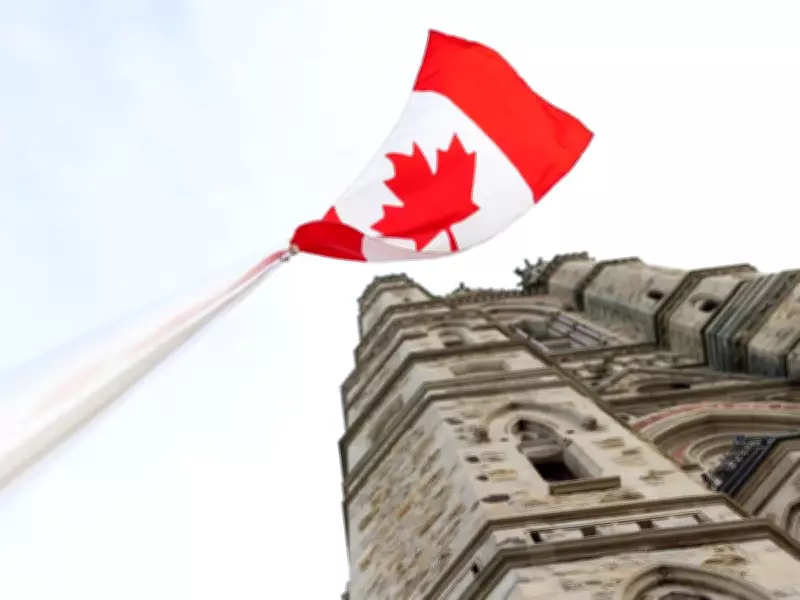
Canada's Lost Decade Demands a Return to Foundational Unity, Brookman Argues
In a compelling examination of Canada's current political landscape, commentator George Brookman contends that the nation has squandered a critical decade and now requires a concerted, unified effort from all political leaders and public servants to regain its footing. Brookman emphasizes that Canadians would be far better served by repairing and improving the country built over the past 160 years rather than engaging in divisive rhetoric that threatens to dismantle it.
The Daunting Legacy of the Fathers of Confederation
Reflecting on the monumental task faced by Canada's founders, Brookman cites historian Christopher Moore's work, How The Fathers Made A Deal, which details the immense challenges of nation-building. The negotiations were fraught with regional demands: French concerns for cultural protection, British Columbia's insistence on a railway connection, Maritime fears of being marginalized, and Prairie aspirations for recognition of their agricultural potential.
These discussions unfolded over months without modern conveniences like telephones or air travel, with moments where key figures nearly abandoned the project entirely. The persistent threat of American expansion loomed large, forging a collective determination to secure an agreement against all odds. As British historian Ged Martin starkly observed, "The Fathers of Confederation took each other, not by the hand but rather by the throat."

A Nation Worth Preserving and Improving
From this contentious genesis emerged a nation often idealized as "Camelot." Brookman asserts that the Fathers would be proud of modern Canada—a country celebrated globally for its tolerance, stable governance, and significant contributions on the world stage, including pivotal roles in both World Wars. However, he warns that this legacy is not impervious to threat.
Much like the legends of King Arthur, there are forces within Canada that seek to undermine the very foundations that benefit so many. Brookman specifically identifies talk of separation in certain provinces as deeply problematic, though he clarifies that such voices should not be silenced entirely. He advocates for a review of the governing formulas established in 1867, acknowledging that while the foundational spirit should guide us, the specific mechanisms may require modernization.
Contemporary Challenges Requiring National Consensus
Brookman outlines several critical issues where renewed cooperation is essential:
- Senate Reform: The concept of an "equal and effective Senate" has re-emerged in political discourse. While the allure of an elected Senate has diminished, partly due to observing challenges in the United States, Brookman suggests a model of 10-12 senators per province could serve as a genuine "house of sober second thought," which he deems not just reasonable but critical for national cohesion.
- Equalization Payments: The fairness of the current equalization system is hotly debated without a clear national consensus. Brookman stresses that the federal government must proactively address this challenge and develop new methodologies to ensure a comparable standard of living for all Canadians, regardless of their province of residence.
- Major Economic Projects: The approval and construction of vital infrastructure projects—such as seaports and pipelines—are identified as paramount for Canada's economic future. Brookman argues there must be a point where, after all local interests and protests have been duly heard, the federal government demonstrates decisive leadership to proceed in the national interest.
Ultimately, Brookman's central thesis is clear: regardless of political affiliation, it is the responsibility of the sitting government to address the root causes of discontent and forge a path forward. This requires recapturing the collaborative, albeit fiercely negotiated, spirit of the Fathers of Confederation to navigate contemporary divisions and build a prosperous, unified future for all of Canada.






