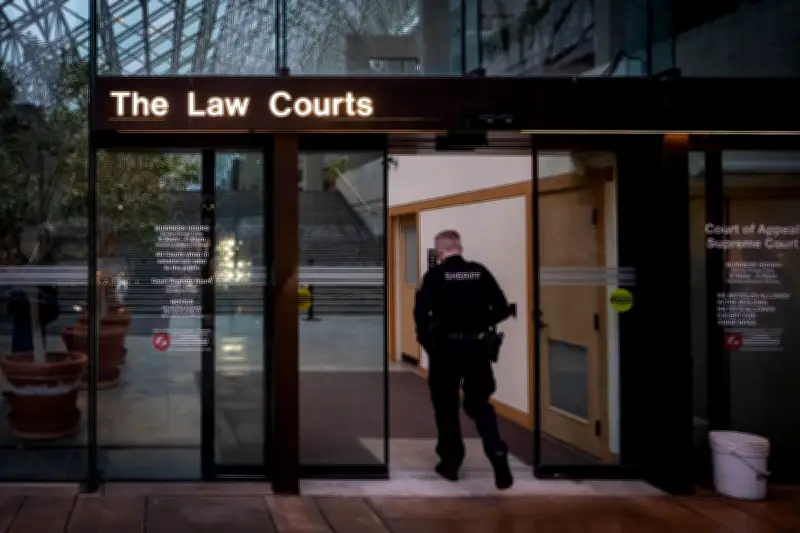
The British Columbia Supreme Court has upheld the conviction of a man who identifies as a 'sovereign citizen' and refused to provide his name to police during a traffic stop. The ruling reaffirms that all individuals in Canada, regardless of personal beliefs, must comply with lawful police requests for identification.
Case Background
In a decision released Friday, Justice Michael Tammen dismissed the appeal of John Doe (pseudonym), who was convicted in 2024 for obstructing a peace officer. During a routine traffic stop in Vancouver, Doe repeatedly stated he was a 'sovereign being' and not subject to Canadian law, refusing to present identification or state his name.
The original trial judge found Doe guilty, ruling that his sovereign citizen beliefs did not exempt him from legal obligations. The Supreme Court agreed, stating that the 'sovereign citizen' ideology has no legal basis in Canada.

Legal Precedent
Justice Tammen noted that the requirement to identify oneself to police is a fundamental aspect of Canadian law, designed to ensure public safety and effective law enforcement. He cited previous rulings that rejected sovereign citizen arguments, emphasizing that no one is above the law.
The court also dismissed Doe's argument that the police lacked jurisdiction, affirming that officers have the authority to request identification during traffic stops under the Motor Vehicle Act and common law.
Implications for Sovereign Citizens
This decision is the latest in a series of legal setbacks for the sovereign citizen movement in Canada. The movement, which originated in the United States, holds that individuals are not subject to government authority. However, Canadian courts have consistently rejected these claims.
Legal experts say the ruling sends a clear message that such beliefs will not shield individuals from prosecution. 'The law applies to everyone, regardless of personal ideologies,' said University of British Columbia law professor Sarah Thompson. 'This decision reinforces that principle.'
Reaction and Next Steps
Doe's lawyer indicated they may seek leave to appeal to the Court of Appeal for British Columbia. Meanwhile, the Crown prosecutor welcomed the decision, calling it a victory for the rule of law.
The case has drawn attention from sovereign citizen groups, who view it as an attack on their rights. However, authorities hope the ruling will deter others from similar refusals.
In a related development, the Vancouver Police Department reported a decrease in sovereign citizen-related incidents following the original conviction, suggesting the legal consequences are having a deterrent effect.