B.C. Minister Defends Weakening of FOI Provisions Amid Mounting Criticism
In a contentious political development, a British Columbia minister has come forward to defend the recent weakening of Freedom of Information (FOI) provisions, even as criticism from transparency advocates and opposition groups continues to escalate. The move has sparked a heated debate over government accountability and public access to information in the province.
Background and Context of the FOI Changes
The controversy centers on legislative amendments that have reduced the scope and accessibility of FOI requests in B.C. These changes, implemented earlier this year, allow government agencies to apply broader exemptions and redactions to documents, potentially limiting what citizens and journalists can uncover about public affairs. Proponents argue that the adjustments are necessary to protect sensitive data and streamline bureaucratic processes, but critics contend they erode democratic principles.
The minister, speaking at a recent press conference, emphasized that the revisions are designed to balance transparency with operational efficiency. "We must ensure that our government can function effectively while still upholding the public's right to know," the minister stated. However, this defense has done little to quell the growing outcry from civil liberties organizations and media outlets, who warn that such measures could shield misconduct and reduce oversight.

Criticism from Transparency Advocates
Opponents of the weakened FOI provisions have been vocal in their disapproval. "This is a step backward for democracy in British Columbia," said a representative from a local transparency watchdog. "By making it harder to access information, the government is essentially closing the door on accountability and fostering an environment of secrecy." Critics point to examples from other jurisdictions where similar rollbacks have led to increased opacity and public distrust.
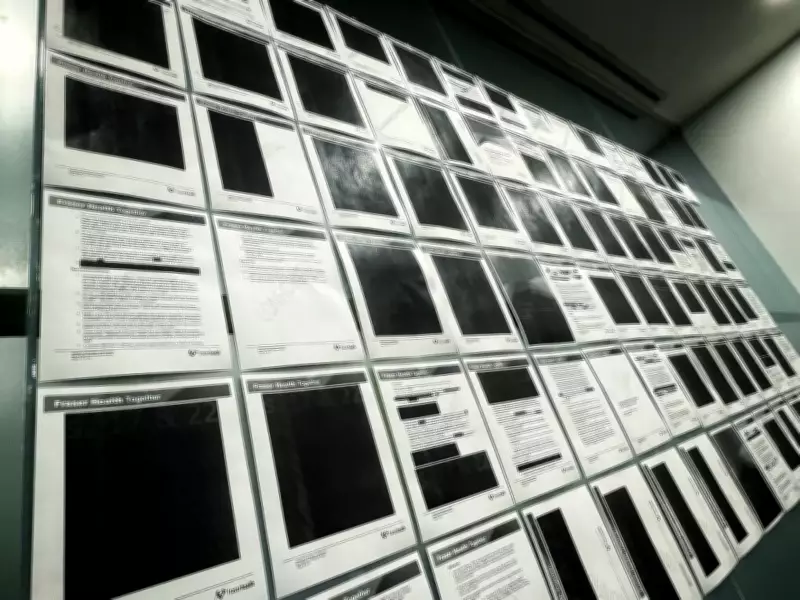
Furthermore, the timing of these changes has raised eyebrows, as they coincide with several high-profile cases where FOI requests have revealed significant issues within provincial agencies. For instance, recent heavily redacted documents from Fraser Health, obtained through an overdue FOI request, have highlighted the challenges citizens face in obtaining clear information, even under the previous, more robust provisions.
Potential Implications for Governance
The weakening of FOI provisions could have far-reaching consequences for governance in B.C. Experts suggest that reduced transparency may:
- Hinder investigative journalism and public scrutiny of government actions.
- Make it more difficult for citizens to hold elected officials accountable.
- Potentially increase the risk of corruption or mismanagement going unnoticed.
In response, some political analysts are calling for a reevaluation of the amendments, urging the government to consider alternative approaches that maintain strong FOI protections while addressing any legitimate administrative concerns. "Transparency should not be sacrificed for convenience," argued one policy expert. "There are ways to improve efficiency without undermining the public's right to information."
Looking Ahead
As the debate intensifies, all eyes are on the B.C. government to see how it will navigate this controversy. The minister's defense has set the stage for ongoing discussions in legislative sessions and public forums, with many expecting further protests and advocacy efforts from transparency groups. The outcome could significantly influence the future of FOI laws not only in British Columbia but across Canada, as other provinces monitor the situation closely.
Ultimately, the conflict over FOI provisions underscores a broader tension between governmental efficiency and democratic transparency. How B.C. resolves this issue may serve as a critical test of its commitment to open governance in the years to come.