

Alberta's Judicial Selection Process Sparks Debate Over Merit Versus Political Alignment
The ongoing discussion surrounding judicial appointments in Alberta has intensified, with recent letters to the Edmonton Journal highlighting concerns about the provincial government's approach to selecting superior court judges. The core argument presented emphasizes that judicial candidates should be chosen based on their professional ability and integrity rather than political considerations or alignment with the governing party's values.
Premier Smith's Legislative Actions and Judicial Independence
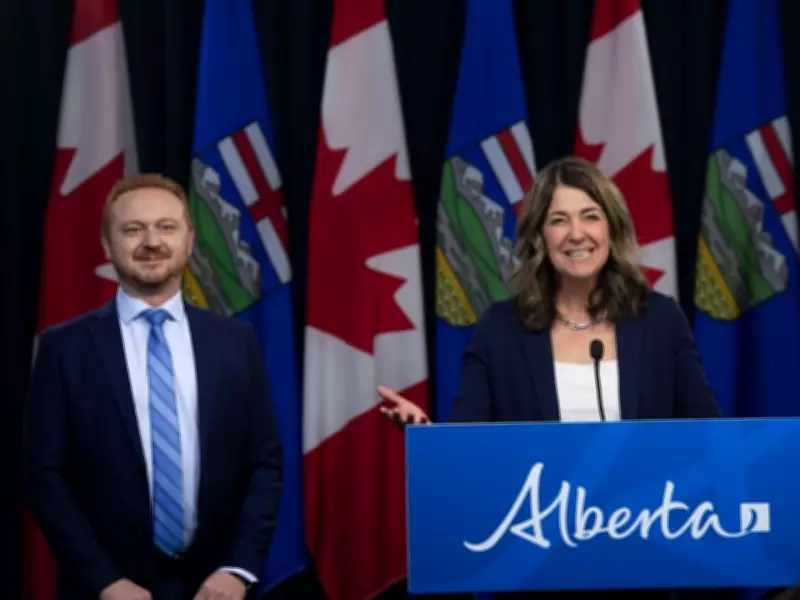
Premier Danielle Smith and Justice Minister Mickey Amery introduced legislation in November 2025 aimed at protecting free expression for registered professionals. However, critics suggest this move is part of a broader pattern where the United Conservative Party government seeks to ensure judicial support for its legislative agenda. The concern is that such alignment could potentially undermine the independence of the judiciary and lead to situations where the government feels compelled to invoke constitutional override mechanisms.
One letter writer from Spruce Grove argues that a transparent selection process focused on qualifications deserves public support, while any attempt to assess candidates based on whether their values match those of the governing party should be strongly opposed. The writer acknowledges that judges, like all humans, can make mistakes, but also emphasizes their crucial role in making courageous, thoughtful decisions independent of political influence.

Broader Concerns About Government Direction
The judicial appointment debate occurs within a larger context of criticism directed at Premier Smith's administration. Another correspondent from Edmonton expresses disappointment that the premier's campaign promise of having no secret agenda has not been fulfilled. The writer lists several contentious policies, including attempts to restructure the Canada Pension Plan, replace the RCMP, implement book restrictions, and permit coal mining that could affect southern watersheds.
This letter also raises concerns about separatist sentiments within the government, suggesting that some elements appear more aligned with interests south of the border than with representing all Albertans. The writer questions why members of the UCP caucus haven't demonstrated stronger opposition to what they perceive as divisive policies.
Financial Transparency Questions Emerge
A third letter from Edmonton addresses financial transparency, specifically questioning the government's decision to allocate $900 million to a petroleum marketing fund. The correspondent asks for clarification about the source of these funds and their intended use, suggesting that the money could have been better directed toward healthcare, education, or support for Albertans with disabilities through the Assured Income for the Severely Handicapped program.
Additional Community Feedback
The letters section also includes commentary on municipal matters, with one response to a previous column about Edmonton's first public cold-plunge pool. The writer challenges the uncritical promotion of cold-water immersion, citing a 2024 meta-analysis published in the European Journal of Sports Medicine that concluded cold-water immersion may actually hinder post-workout muscle growth rather than enhance recovery.
These diverse perspectives published in the Edmonton Journal reflect ongoing public engagement with provincial governance, judicial independence, and community health initiatives. The judicial appointment discussion particularly underscores the tension between maintaining an impartial legal system and potential political influences on that system's composition.






