

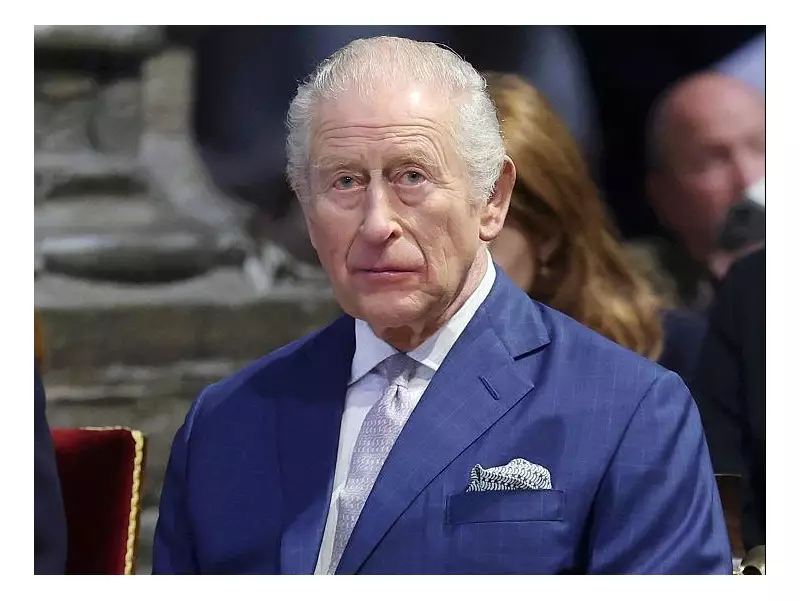
A recent decision by Alberta's Court of Appeal has sent ripples through Canada's legal and political landscape, declaring the province's mandatory oath of allegiance to King Charles III for new lawyers unconstitutional. The ruling, handed down in late December 2025, challenges a longstanding tradition in the nation's constitutional framework.
The Core of the Constitutional Clash
The case centered on Prabjot Singh Wirring, a prospective lawyer who argued that taking the oath to the monarch would conflict with his Sikh faith. Wirring stated he had already made an absolute oath to Akal Purakh, the divine being in Sikhism. Alberta stood as the sole province in Canada that mandated this pledge for lawyers seeking admission to the bar.
In response to the court's decision, the Alberta Law Society expressed support for making the oath optional, aiming to "remove inequitable barriers to the practice of law." The editorial stance of the original article, however, strongly contests the court's reasoning, framing the oath as a fundamental pillar of Canadian democracy.

Defending the Crown's Role in Canadian Democracy
The argument in favour of the oath rests on a foundational civics lesson: Canada's Parliament comprises three parts—the elected House of Commons, the Senate, and the Crown. The monarch, currently King Charles III, serves as Canada's head of state and the embodiment of the Constitution. Proponents assert that swearing allegiance to the Crown is, in essence, swearing allegiance to the country and its governing system, not to a person.
The editorial highlights that King Charles has modernized the role, moving from "Defender of the Faith" to "Defender of Faith" broadly, emphasizing protection for all forms of worship. It argues this demonstrates the advantage of a "living, breathing, intelligent being" as head of state, capable of adapting to contemporary values.
Broader Implications for National Identity
The debate transcends a single legal requirement, touching on the very nature of Canadian sovereignty and stability. The editorial points to Canada's envied global reputation for stable government as being intrinsically linked to its constitutional monarchy.
A poignant example cited is King Charles's decision to open Parliament in 2025 while undergoing cancer treatment. This act was framed as a powerful demonstration of mutual commitment, especially during past speculative remarks about U.S. annexation. The core message is unequivocal: Canada is a constitutional monarchy "all the time, not just when it suits us."
This ruling forces a public conversation about tradition, faith, and legal obligation in a modern, multicultural Canada. It questions whether centuries-old institutions can flex to accommodate diverse personal beliefs without fracturing the national unity they are meant to symbolize.






