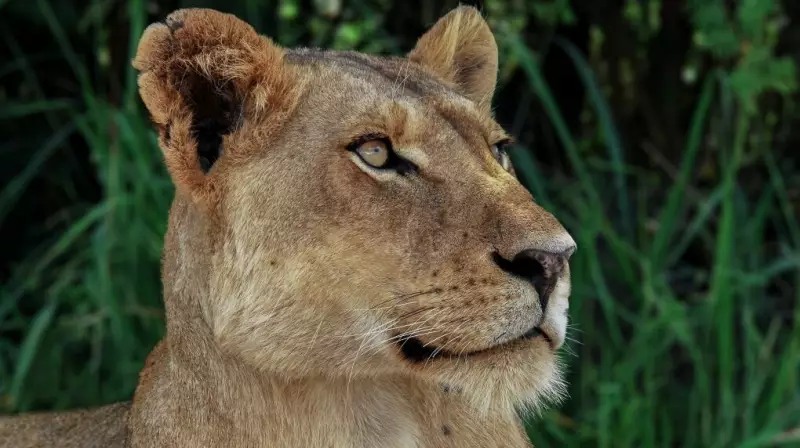
A 17-year-old teenager has died after being attacked by a lion at a zoo in Brazil. The tragic incident occurred after the youth climbed into the animal's enclosure, bypassing multiple safety barriers.
Details of the Tragic Incident
The fatal encounter took place on December 01, 2025. According to reports, the young man, whose identity has not been publicly released, entered the lion's habitat despite clear warning signs and physical barriers designed to keep visitors at a safe distance. Zoo staff and emergency responders were immediately alerted, but they were unable to intervene in time to prevent the attack.
The lion involved in the incident is reported to be an adult male. Standard zoo protocol typically involves secure moats, fences, and reinforced glass to separate large predators from the public. An investigation is now underway to determine exactly how the teen managed to breach these security measures.

Immediate Aftermath and Investigation
Following the attack, the area was secured, and visitors were evacuated from the vicinity. The zoo was temporarily closed as authorities launched their inquiry. The focus of the investigation will include a review of the enclosure's structural integrity, the effectiveness of surveillance and monitoring systems, and the staff's emergency response procedures.
This is not the first incident of its kind globally, but it serves as a stark and somber reminder of the inherent dangers of wild animals, even in controlled environments like zoos. Animal behavior experts consistently warn that predators like lions are driven by instinct and cannot be treated as domesticated creatures.
Broader Implications for Wildlife Facilities
The tragedy raises serious questions about visitor safety and security protocols at wildlife parks and zoological gardens worldwide. While modern facilities invest heavily in creating naturalistic habitats for animals, the paramount concern must always be a fail-safe separation between the public and potentially dangerous species.
Zoos have a dual mandate: to educate the public about wildlife and to ensure the safety of both their animals and their guests. Incidents like this force a difficult but necessary re-evaluation of how that balance is maintained. The findings from Brazil's investigation will likely be studied by zoo administrators internationally as they work to prevent similar tragedies.
The loss of a young life is a profound tragedy. It underscores the critical message that zoo rules and barriers are in place for the most serious of reasons and must never be disregarded.