Residents of Ontario may need to budget more for their favourite spirits, wines, and beers in the coming year. The province's primary alcohol retailer, the LCBO, is poised to implement price adjustments that could lead to increased costs for consumers across Ontario starting in 2026.
Annual Adjustment Mechanism Drives Change
The anticipated price movement is part of a regular, annual review process conducted by the Liquor Control Board of Ontario. This systematic adjustment accounts for various economic factors, including inflation, supply chain costs, and federal excise duties. While the exact percentage increase for each product category has not been finalized, historical patterns suggest a noticeable impact on retail shelf prices.
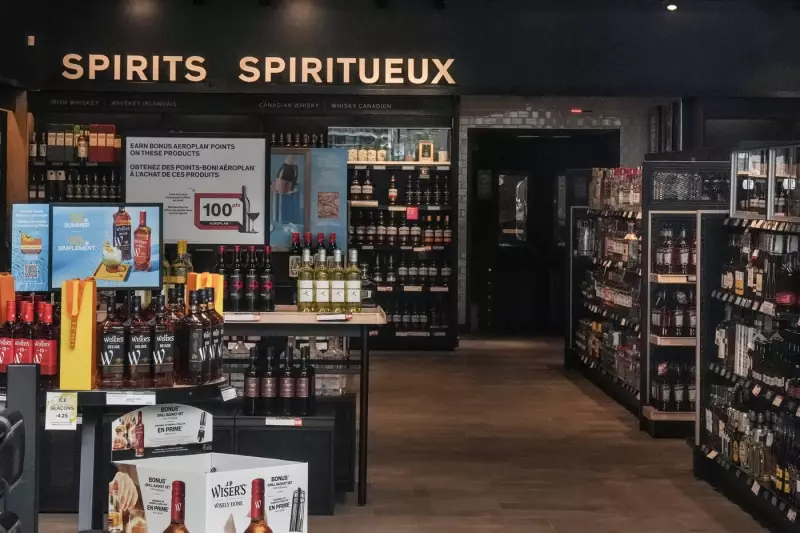
These adjustments are typically applied in the first quarter of the calendar year. The LCBO, which operates hundreds of retail stores across the province, including the location in Toronto pictured in July 2024, uses this mechanism to maintain its operational model while responding to broader market and economic pressures.

Impact on Ontario Consumers and Retail Landscape
The potential price hike arrives as many Canadians continue to navigate a higher cost of living. Increased alcohol prices will directly affect household budgets for social gatherings, celebrations, and personal consumption. The change also has implications for the hospitality sector, including bars and restaurants, which purchase their inventory through the LCBO's wholesale channels.
This news follows a year of significant discussion around alcohol retail in Ontario, including the expansion of sales to corner stores. The LCBO's pricing strategy remains a key component of the province's regulated beverage alcohol system.
Looking Ahead to the New Year
As December 2025 progresses, shoppers are advised to watch for official communications from the LCBO regarding the specific timing and scale of the price adjustments. The final decision will determine how much more Ontarians will pay for beer, wine, and spirits in the new year.
The broader context includes federal excise tax escalators, which are also a contributing factor to annual price changes for alcoholic beverages nationwide. Ontario's specific retail markup adds another layer to the final cost consumers see at the checkout.