The Potato Bed Trend: Viral Comfort or Sleep Disruption?
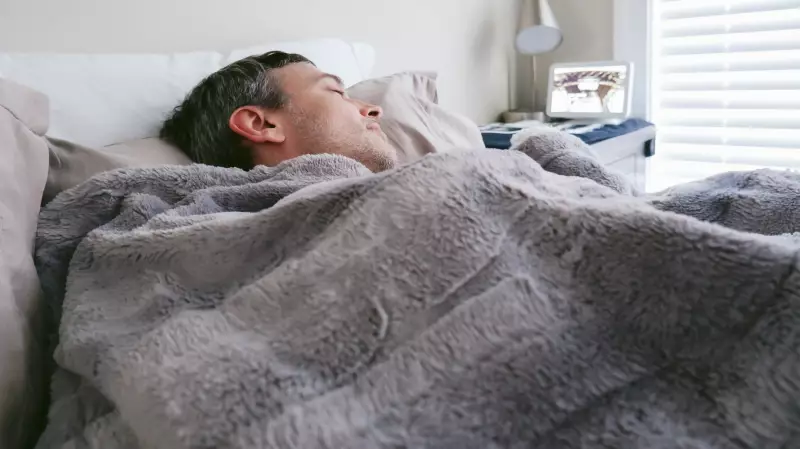
If you have ever wanted to snuggle into bed with the cozy, enveloping comfort of a baked potato in its jacket, a recent viral TikTok trend promises exactly that experience. Known as the potato bed method, this sleep hack involves flipping a fitted bottom sheet upside down on your mattress, then stuffing its elastic edges with soft pillows and plush blankets. Additional blankets are layered in the center, creating a cocoon-like environment that users climb into for what some enthusiasts describe as a potato-like night's sleep.
Proponents of this trend claim it can boost relaxation hormones while fostering feelings of safety and support. Beyond the whimsical comparison to comfort food, the method taps into a deeper human desire for security during rest.
The Psychological Appeal of Swaddled Sleep
Dr. Rachel Salas, a professor of neurology at Johns Hopkins Medicine, explains that the potato bed trend reflects a widespread yearning to create personal refuges away from life's constant buzz. "In a blanket-stuffed cocoon, people may experience the same comfort they felt when swaddled as infants," she notes. "This setup can help reduce anxiety by fostering a sense of being held. The psychological reassurance often leads to improved sleep quality, as individuals feel more relaxed and less restless."

Despite its cozy appeal, sleep experts caution that the potato bed method is not universally suitable. Below, they outline when this viral trend might be helpful, potentially harmful, or simply an ineffective use of time.
Significant Risks and Limitations
Dr. Salas emphasizes that certain populations should avoid this sleeping arrangement entirely. "This trend may not be suitable for young children, pets, or individuals with mobility issues, as they may struggle to safely navigate confined spaces," she warns.
Temperature regulation presents another critical concern. Allison Wilkerson, an associate professor at the Medical University of South Carolina, points out that optimal sleep occurs in cooler environments. "The recommended room temperature for good sleep is between 60 and 68 degrees Fahrenheit, because cooler temperatures help the body transition into deep, restorative sleep," she explains. "Too many blankets can generate excessive heat, working directly against this physiological principle."
Dr. William Lu, a sleep medicine physician and medical director at Dreem Health, raises additional issues regarding physical alignment. "Sleeping in such a confined setup can trap your body in unnatural positions that compromise back support, potentially leading to morning aches and pains," he states. "I would recommend the potato trend only for short-term relaxation rather than for an entire night's sleep wrapped tightly in a cocoon."
Safer Alternatives for Cozy Sleep
For those seeking warmth and comfort without the risks, experts suggest several evidence-based alternatives. Dr. Salas recommends: "Weighted blankets, sensory-friendly bedding options, or simply creating a cozy sleeping atmosphere by dimming lights and minimizing noise can encourage relaxation while prioritizing safety."
How to Assess If the Potato Bed Works for You
Most sleep specialists agree that individuals without specific contraindications can experiment with the trend cautiously. Hannah Shore, head of sleep science at Mattress Online, advises a simple morning check-in after trying the potato bed. "The easiest way to evaluate sleep quality is to ask yourself how you feel upon waking," she says. "If you wake without aches or pains, feeling refreshed, then your sleeping environment is likely working well for you."
Shore emphasizes that sleep should not become unnecessarily complicated. The key is moderation and avoiding orthosomnia—an unhealthy obsession with achieving perfect sleep through elaborate rituals and products.

The Dangers of Over-Engineering Sleep
Patricia Haynes, a professor in health promotion sciences at the University of Arizona's Zuckerman College of Public Health, contrasts North American sleep habits with global practices. "In many cultures, people sleep soundly on futons or firmer surfaces with minimal environmental adjustments," she observes. "This serves as a valuable reminder that sleeping well is less about engineering the perfect environment and more about cultivating healthy practices aligned with the body's natural rhythms."
Haynes warns that excessive alterations to sleep environments often function as safety behaviors. "For people struggling with insomnia, these behaviors aim to ease the fear of not sleeping. However, over time, reliance on them can backfire," she explains. "Instead of promoting rest, they create rigid, ritualized bedtime routines that the body becomes dependent upon. Ultimately, these safety behaviors can undermine sleep in the long term."
Dr. Lu adds that while bedtime routines are generally beneficial, they can become counterproductive if taken too far. "Elaborate routines help establish consistency, signaling to the brain and body that it's time to sleep. But if people become stressed when unable to complete their full routine, or if they spend more time focusing on sleep hacks than actually resting, this can generate tension rather than relaxation—directly opposing their goal."
When to Seek Professional Help
If the potato bed trend does not work for you, that is perfectly acceptable. Shore notes that for some individuals, feeling too hot or trapped under heavy bedding can have an anti-calming effect, keeping them more awake.
Dr. Salas underscores the importance of personal preference in sleep environments. "Comfort and relaxation vary widely from person to person. If you are experiencing persistent sleep problems, it is crucial to consult a healthcare provider," she advises. "Sleep disorders are common, frequently undiagnosed, and often treatable with professional guidance."
Ultimately, while viral trends like the potato bed method highlight our collective search for better sleep, experts remind us that sustainable sleep health relies on individualized approaches, moderation, and sometimes, professional support rather than fleeting internet fads.