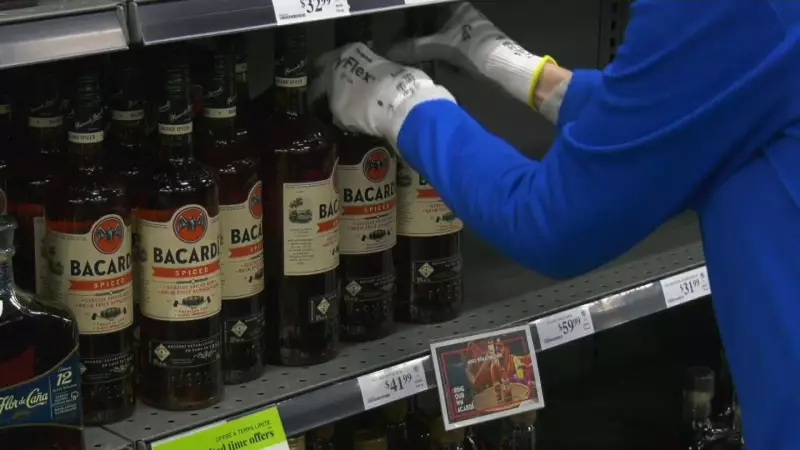
The Manitoba government has announced a significant philanthropic move, pledging $2.6 million in donations to various charities. The funds originate from a unique revenue stream: liquor sales to customers in the United States.
Source of the Funds
This charitable injection is not coming from general provincial coffers. Instead, the money was generated specifically through the sale of Manitoba-made liquor products to American consumers. This cross-border commerce initiative has proven successful, creating a substantial pool of money designated for community support.
The announcement was made public on December 19, 2025. The decision to allocate these particular revenues to charitable organizations underscores a strategy of reinvesting niche income directly back into local communities.

Impact on Winnipeg and Manitoba Charities
While the specific recipient charities were not named in the initial report, the $2.6 million sum is expected to provide considerable support to non-profit organizations across the province. Winnipeg, as the provincial capital, will likely see a major portion of this funding directed to its local charitable sector.
This model of using revenue from specific export sales for social good is notable. It creates a direct link between international trade and local community benefit, allowing Manitobans to see a tangible return from products sold beyond Canada's borders.
A Model for Community Investment
The initiative demonstrates how provincial governments can leverage unique market opportunities to fund social programs. By channeling profits from U.S. booze sales into charities, Manitoba is effectively creating a sustainable funding mechanism that operates outside of traditional tax-based budgets.
This approach can help stabilize funding for charities that often rely on fluctuating donations and grants. The substantial amount indicates healthy demand in the U.S. market for Manitoba's spirits, wine, or beer, turning consumer choice abroad into community aid at home.
The move is expected to be welcomed by the non-profit sector, especially as many organizations continue to face financial pressures. The distribution of these funds will be a key development to watch in early 2026, as charities learn how they can apply for or receive a portion of this $2.6 million charitable windfall.