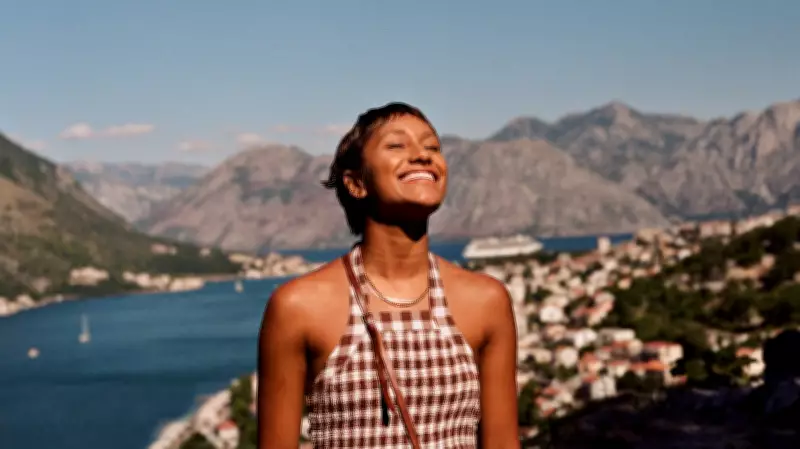
When summer finally arrives, many of us eagerly shed winter layers for sleeveless dresses, short shorts, and crop tops. However, this enthusiasm for showing skin does not always translate well abroad. In many parts of the world, dressing modestly is not merely a personal preference but a sign of cultural awareness and respect.
Understanding Cultural Norms
"Modesty is often tied to cultural identity, tradition, and respect for the region's heritage," says Emmanuel Burgio, founder of Blue Parallel, a luxury tour company. "Showing more skin can feel out of sync with local norms and perceived as lacking awareness or respect, particularly in communities where these values remain strong." Even bare shoulders can be considered inappropriate in certain contexts.
Context Matters
Modesty expectations vary by location. In European churches, covering shoulders and knees is a sign of humility. In many Muslim-majority countries, revealing clothing like low-cut tops or short shorts is often seen as immodest. While modesty expectations apply to everyone, they are often stricter for women. Men should also avoid crop tops and short shorts in many cultures.

Common Missteps
Clothing choices that seem harmless at home can draw negative attention abroad. Kelsey Shipman, a travel writer, notes that in Tashkent, Uzbekistan, very few women wore short sleeves or shorts even in extreme heat. Fit also matters: tight clothing can be considered revealing even if fully covered. Claire Hall recalls a woman at the Sultan Qaboos Grand Mosque in Muscat wearing a skintight black catsuit, which security deemed inappropriate.
Swimwear Faux Pas
Swimwear is a common misstep when worn outside beaches or pools. In Zanzibar, dress code violations can result in fines over $1,000 or even imprisonment. Both men and women should avoid bikini tops, short shorts, and crop tops away from the beach.
Places Requiring Extra Care
- Religious sites: Mosques, churches, and temples require covered shoulders, no short skirts or shorts, and often removal of shoes. Always carry a scarf for quick coverage.
- Indigenous and rural communities: Modest, understated clothing shows respect, even if no strict dress code exists.
- Conservative or Muslim-majority countries: Modesty is more expected, especially in towns and local communities. Cover shoulders and avoid short hemlines.
How to Prepare
Research local dress norms before traveling. Check social media for "outfit of the day" posts, YouTube vlogs, and Reddit threads. Connect with locals through Facebook groups or women traveler communities. Official tourism sites and hotels can also provide guidance. Tour groups often supply packing lists with appropriate attire.
Why It Matters
"It is always a good practice to respect the traditions of the destination you're visiting," says travel writer Jen Ruiz. Ignoring local norms centers tourists' perspectives and signals disrespect. What is fashionable at home may be interpreted very differently abroad. In many European and South American cities, locals dress more polished or understated, making overly relaxed outfits stand out.
This is not about policing clothing but understanding how choices are interpreted in different cultural contexts. By dressing modestly where expected, travelers show respect and enhance their experiences.