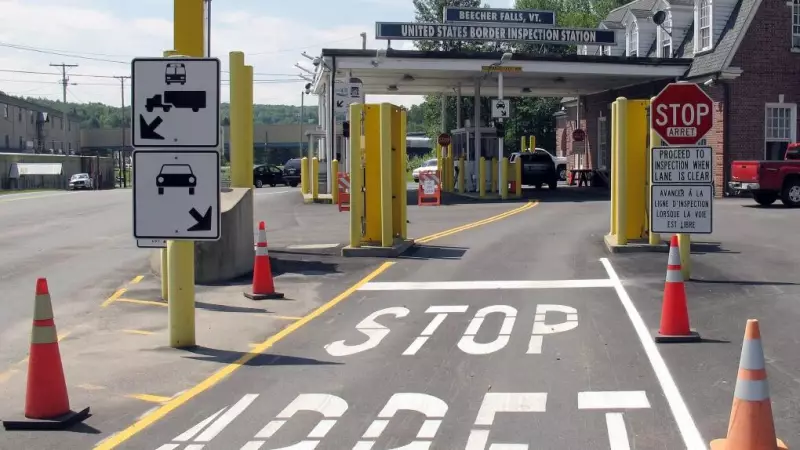
Nine months after the implementation of the U.S. boycott against Canada, the tourism industry continues to experience significant setbacks, particularly affecting businesses that specialize in American visitor traffic.
Persistent Challenges for Travel Agencies
Travel agencies working with schools across Canada are reporting consistently slow business, indicating the boycott's prolonged impact on educational tourism. The decline in American visitors has created financial strain for many operators who traditionally relied on cross-border school trips and educational tours.
The boycott, now in its ninth month, shows no immediate signs of resolution, leaving tourism professionals concerned about the upcoming peak travel seasons. Many smaller agencies are facing difficult decisions about staffing and operational capacity as the downturn continues.

Broader Tourism Implications
While school-focused travel agencies are particularly affected, the boycott's ripple effects extend throughout Canada's tourism ecosystem. Hotels, restaurants, and attractions that typically welcome American visitors report lower occupancy and reduced revenue compared to previous years.
Industry analysts note that the timing coincides with what should be a robust tourism period, compounding the economic impact on local communities that depend on American tourism dollars. The situation has prompted some tourism boards to reconsider their marketing strategies and target alternative international markets.
Looking Ahead: Adaptation and Recovery
Tourism operators are increasingly focusing on domestic marketing campaigns and exploring opportunities with travelers from other countries to offset the decline in American visitors. However, the proximity and volume of U.S. tourism make complete substitution challenging for many businesses.
Industry representatives continue to monitor the situation closely, hoping for a resolution to the trade dispute that sparked the boycott. Meanwhile, the persistence of the tourism slowdown underscores the deep economic interdependence between the two nations and the vulnerability of cross-border travel to political tensions.