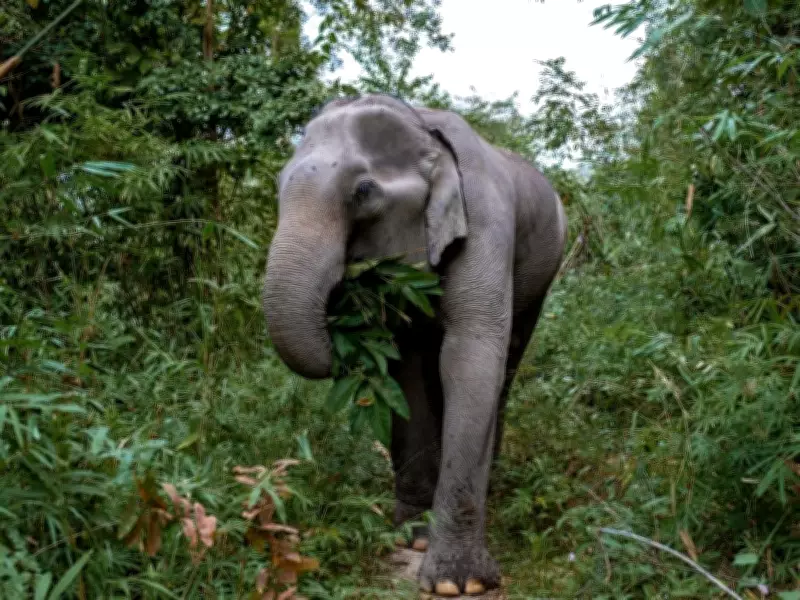
A tragic incident in Thailand's Khao Yai National Park has resulted in the death of a tourist, highlighting ongoing concerns about human-wildlife conflicts in the region. The fatal encounter occurred on Monday morning, claiming the life of a 65-year-old man from Lopburi province.
Third Victim of Notorious Bull Elephant
The victim, identified as Jirathachai Jiraphatboonyathorn, was on an early-morning walk with his wife before sunrise when the attack occurred. According to national park chief Chaiya Huayhongthong, the bull elephant known as Oyewan rushed at the man, grabbed him with its trunk, slammed him to the ground, and stomped on him.
The man was killed instantly, just 20 metres from his tent, as other campers watched in horror. Park rangers managed to scare the elephant away, allowing the victim's wife to escape unharmed.

A Pattern of Dangerous Behavior
This marks the third confirmed fatality linked to Oyewan, with authorities suspecting the elephant may be responsible for several more unsolved deaths. The incident has prompted urgent discussions among Thai officials about how to address the growing problem of dangerous wildlife encounters.
"We will probably decide to relocate him or change his behaviour," Huayhongthong stated, though he did not elaborate on specific plans. Officials are scheduled to meet later this week to determine the appropriate course of action.
Broader Context of Elephant-Human Conflicts
The tragedy occurs against a backdrop of increasing wild elephant populations in Thailand. According to official reports, wild elephant numbers have risen dramatically from 334 in 2015 to nearly 800 last year. This population growth has led authorities to administer contraceptive vaccines to female elephants in an effort to control their expanding numbers.
Statistics reveal the scale of the problem: between 2012 and 2024, wild elephants have killed 227 people in Thailand, according to data from the Department of National Parks, Wildlife and Plant Conservation.
International Perspective on Elephant Attacks
This incident follows similar tragedies in other countries where tourists have encountered dangerous elephants. Recent years have seen fatal elephant attacks in South Africa, Uganda, and Zambia, raising questions about wildlife management and tourist safety protocols in regions where humans and large animals coexist.
The frequency of such encounters underscores the challenges faced by conservation authorities who must balance wildlife protection with public safety concerns. As tourism continues to be a vital economic sector for Thailand and other nations with significant wildlife populations, finding sustainable solutions to human-animal conflicts remains a pressing priority.
Authorities continue to investigate the circumstances surrounding Monday's attack while considering long-term strategies to prevent similar tragedies in the future.