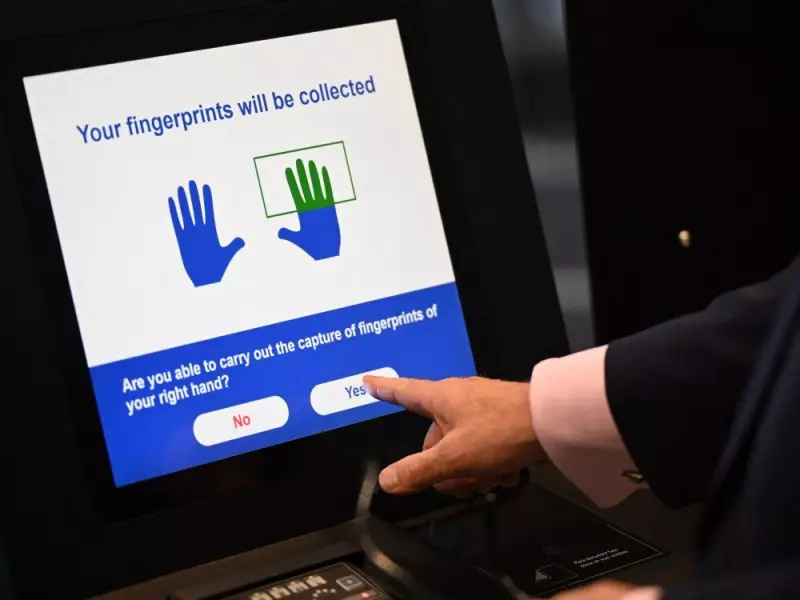
Canadian travellers planning European getaways will encounter significant changes at border controls as European countries implement enhanced security measures. The new systems, designed to modernize border management and strengthen security, will require visitors to provide additional personal information and, in some cases, obtain advance authorization.
Electronic Entry/Exit System Now Rolling Out
The first major change is the Entry/Exit System (EES), which began implementation in November 2025 and is scheduled to be fully operational by April 10, 2026. This system applies to all 29 European countries participating in the program and affects Canadian visitors who can currently stay visa-free for up to 90 days within any 180-day period.
The EES will electronically register non-European nationals' entries, exits, and any entry refusals. Travellers will provide facial images and fingerprints through electronic kiosks at border points. European officials state this biometric data will help identify individuals exceeding their permitted stay and assist in combating organized crime and terrorism.

Uku Sarekanno, deputy executive director of Frontex, the European border and coast guard agency, explained during a recent Ottawa visit that European countries have lacked a centralized overview of visitor movements for too long. "In Europe, if you look at the figures, irregular migration is down," Sarekanno noted. "At the same time, the topic as such is very high on the political agenda."
ETIAS Travel Authorization Coming Late 2026
Beginning in late 2026, Canadian travellers will need to obtain a European Travel Information and Authorization System (ETIAS) document before departure. This requirement mirrors Canada's own Electronic Travel Authorization system implemented in 2016 for visa-exempt visitors.
The ETIAS authorization will cost 20 euros and be available through an online portal. Applicants under 18 or over 70 are exempt from the fee. Most applications will be processed within minutes, though some may require additional review time. The authorization, linked to the traveller's passport, will be valid for three years or until passport expiration, whichever comes first.
"The travel authorization requirement will give European border officials advance warning of who is coming before they get on a flight," Sarekanno emphasized. "The risks need to be better managed."
Practical Implications for Canadian Travellers
Officials advise travellers to apply for ETIAS authorization before purchasing airline tickets or booking accommodation. While the authorization permits multiple entries to participating countries for short-term stays, it doesn't guarantee entry—border guards will still inspect passports and other documents upon arrival.
Travellers should be aware that scammers are already attempting to profit from confusion around ETIAS, despite the system not being active yet. Only the official European portal should be used for applications.
Sarekanno expressed optimism that these measures will eventually create a faster, more seamless border experience while freeing officers for other duties. "But it all takes time," he acknowledged. "In the next few years, we will be busy with all the implementation of it, and then we can build on top of that."
These changes represent the most significant shift in European border management in decades and will affect millions of Canadian travellers who visit Europe annually for business and tourism.