Air Travel Chaos: How Middle East Conflict Disrupts Global Flights
The escalating military conflict in the Middle East has triggered significant disruptions to global air travel, with airports closing and flights being canceled across multiple regions. This situation has left thousands of passengers stranded, uncertain about their travel plans and facing logistical challenges.
Widespread Flight Cancellations and Airport Closures
Following recent strikes on Iran launched by the United States and Israel, numerous airlines have suspended services to key Middle Eastern hubs. Major airports in Doha, Dubai, and Abu Dhabi have experienced substantial disruptions, with many flights being canceled outright. The ripple effects are being felt globally, as connecting flights and international routes that depend on these hubs are also affected.
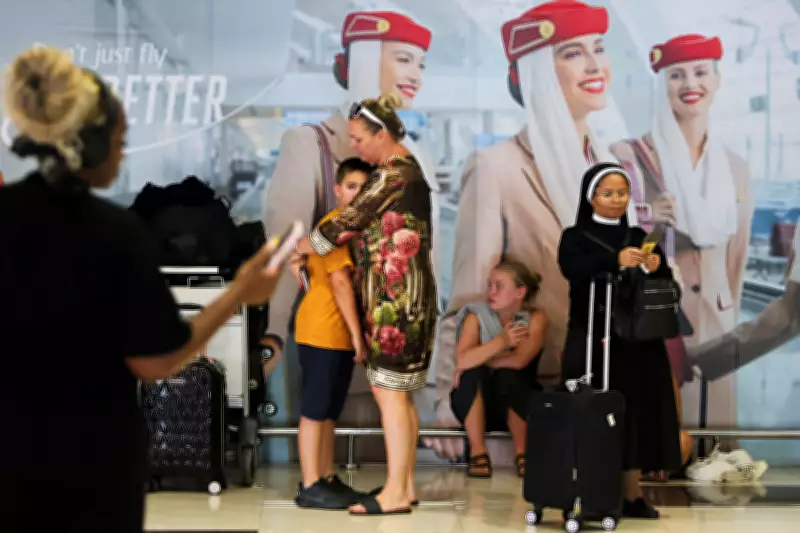
At I Gusti Ngurah Rai International Airport in Bali, Indonesia, stranded passengers were seen waiting near the Emirates Airways customer service office after flights to Middle Eastern destinations were canceled. Similar scenes are unfolding at airports worldwide, as travelers grapple with sudden changes to their itineraries.

What Travelers Need to Know
For passengers impacted by these disruptions, several key points are crucial. First, check with your airline directly for the most up-to-date information on flight statuses and rebooking options. Many carriers are offering flexible change policies or refunds for affected flights. Second, monitor official travel advisories from government agencies, which provide safety information and guidance for regions experiencing conflict.
Additionally, travelers should be prepared for potential delays even if their flights are not canceled, as airspace restrictions and heightened security measures can slow operations. It is advisable to have essential items in carry-on luggage and to arrange for accommodations in case of unexpected overnight stays.
Broader Implications of the Conflict
The air travel disruptions are part of a wider escalation in the Middle East, where the conflict has expanded to involve Arab states and U.S. bases, with Hezbollah launching attacks on Israel. This geopolitical tension not only affects aviation but also has repercussions for global oil markets and international relations.
As the situation evolves, airlines and airports are working to adapt to changing circumstances, but the uncertainty poses ongoing challenges for the travel industry. Passengers are urged to stay informed through reliable news sources and to exercise patience as airlines manage the complex logistics of rerouting flights and assisting stranded travelers.
In summary, the Middle East conflict has created a cascade of problems for air travel, highlighting the interconnected nature of global aviation. While the immediate focus is on helping affected passengers, the long-term impacts on travel patterns and airline operations remain to be seen as the geopolitical landscape continues to shift.