Cuban Tourism Industry Plunges into Crisis Amidst Severe Infrastructure Failures
The vibrant tourism sector in Cuba, long a cornerstone of the nation's economy, is confronting a profound and escalating crisis. A combination of acute fuel shortages and persistent power outages is creating an environment that is increasingly untenable for international visitors, leading to a sharp decline in tourist arrivals and devastating economic repercussions for local communities.
Widespread Shortages Cripple Travel and Hospitality
Reports from across the island indicate that the scarcity of diesel and gasoline has become critical, severely hampering transportation. Tourists are facing cancelled excursions, unreliable taxi services, and long waits for basic transit, fundamentally undermining the travel experience. Concurrently, rolling blackouts and unpredictable electricity cuts are disrupting hotel operations, restaurant service, and overall comfort, repelling visitors who seek the reliable amenities expected of a holiday destination.
This dual crisis of energy and fuel is not merely an inconvenience; it represents a systemic failure that is eroding Cuba's competitive edge in the Caribbean tourism market. The situation has forced some resorts to operate at limited capacity, while smaller, family-run casas particulares are struggling to remain viable without consistent power for air conditioning, refrigeration, and lighting.

Local Innovation Amidst National Struggle
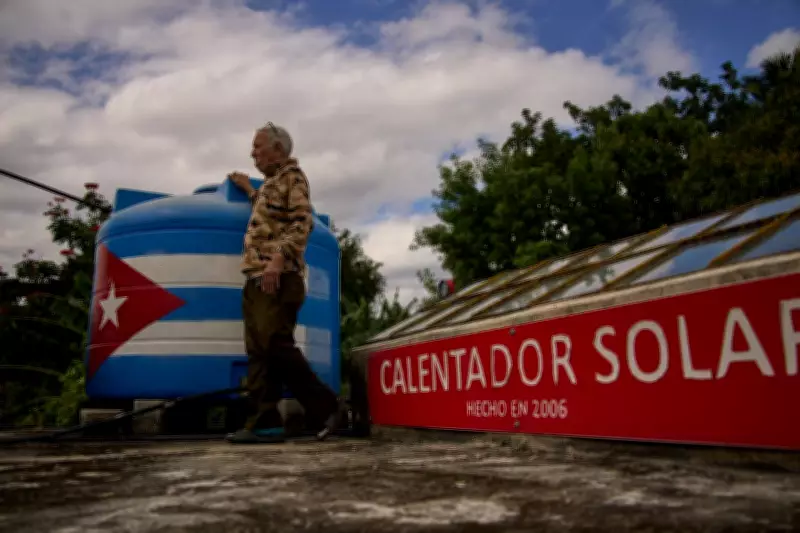
In the face of these national challenges, some Cuban citizens are turning to grassroots solutions. Individuals like Felix Jose Morfi in Regla, Havana province, have taken matters into their own hands by installing solar-powered systems, such as water heaters, to gain a measure of independence from the faltering grid. These adaptive measures highlight the resilience of the population but also underscore the severity of the infrastructure gaps that the state has been unable to bridge.
The tourism downturn has immediate and severe economic consequences. With fewer visitors, revenue streams for guides, drivers, artisans, and hospitality workers are drying up, exacerbating existing economic hardships and contributing to a cycle of decline that is difficult to reverse without significant intervention and investment.
A Broader Regional and Economic Context
This crisis occurs within a complex geopolitical and economic landscape for Cuba. The nation's tourism industry, which had been showing signs of recovery post-pandemic, is now facing one of its most formidable challenges. The shortages reflect deeper issues related to trade dependencies, domestic production, and aging infrastructure that require comprehensive policy solutions beyond quick fixes.
Analysts suggest that without a swift and effective response to stabilize the energy and fuel sectors, Cuba risks long-term damage to its tourism brand. The loss of visitor confidence could take years to rebuild, potentially ceding market share to other Caribbean destinations that offer more reliable services. The current situation serves as a stark reminder of how foundational infrastructure is to the success of a tourism-dependent economy.