CTV Anchor Maya Johnson Documents Jamaica's Post-Hurricane Landscape
CTV News anchor Maya Johnson recently embarked on a poignant journey to Jamaica to witness and report on the aftermath of Hurricane Melissa. The powerful storm left a trail of destruction across the island, with Johnson providing firsthand accounts and reflections on the resilience of local communities. Her reporting offers a sobering look at the immediate impacts and the challenging road to recovery that lies ahead.
Capturing the Devastation in Black River
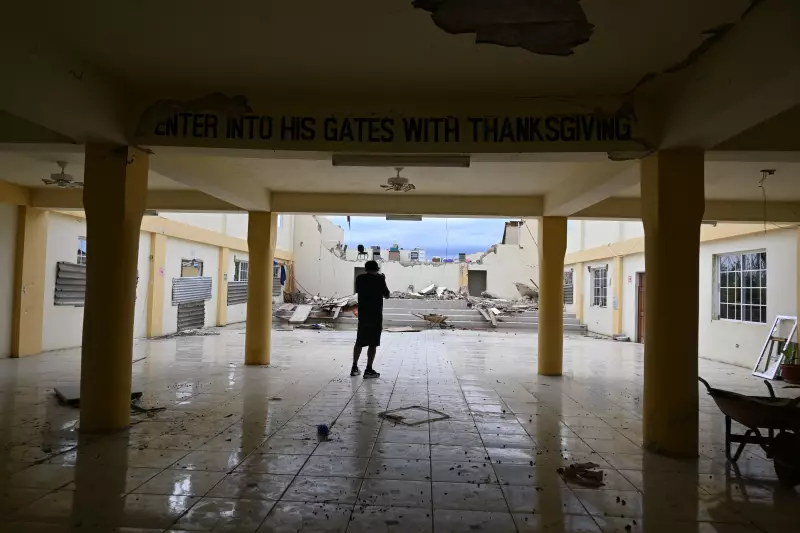
During her visit, Johnson accompanied CTV News cameraman Dave Touniou to Black River, Jamaica, where they documented significant damage at the Black River New Testament Church. The images captured by Touniou reveal the stark reality of the hurricane's force, showcasing structural damage and debris that illustrate the storm's intensity. This visual evidence serves as a powerful reminder of the vulnerability of coastal regions to extreme weather events.
Johnson's reporting goes beyond mere observation, delving into the human stories behind the destruction. She reflects on the emotional weight of witnessing such devastation firsthand, noting how it contrasts with typical newsroom coverage. Her narrative emphasizes the importance of on-the-ground journalism in conveying the true scale of natural disasters and their impact on everyday lives.

Broader Context of Severe Weather Events
While focusing on Jamaica, Johnson's report also touches upon the wider pattern of severe weather affecting various regions. The article mentions numerous storm-related closures and disruptions across the Greater Toronto and Hamilton Area (GTHA) due to massive snowfall, highlighting how extreme weather is becoming a more frequent challenge in different parts of the world. This connection underscores the global nature of climate-related incidents and their far-reaching consequences.
Additionally, the report references other weather-related news items, such as flight schedule impacts at Vancouver airport due to a Toronto blizzard and cold snaps breaking records in Saskatchewan communities. These examples reinforce the theme of increasing meteorological volatility and its effects on transportation, infrastructure, and daily routines.
Reflections on Journalism and Resilience
In her personal reflections, Johnson discusses the professional and emotional aspects of covering a disaster zone. She describes the logistical challenges of reporting from a location grappling with power outages, communication breakdowns, and urgent recovery needs. Her account provides insight into the dedication required of journalists who work in hazardous environments to bring critical stories to the public.
Moreover, Johnson highlights the resilience of Jamaican residents, who are already beginning the arduous process of rebuilding. She notes community efforts to stay warm during power outages and local initiatives to support those affected, painting a picture of solidarity in the face of adversity. This focus on human strength adds a hopeful dimension to the otherwise grim subject matter.
The report concludes by emphasizing the ongoing need for awareness and support for regions hit by hurricanes like Melissa. Johnson's experience serves as a call to action for greater preparedness and international cooperation in addressing the impacts of climate change, which scientists link to the increasing frequency and severity of such storms.