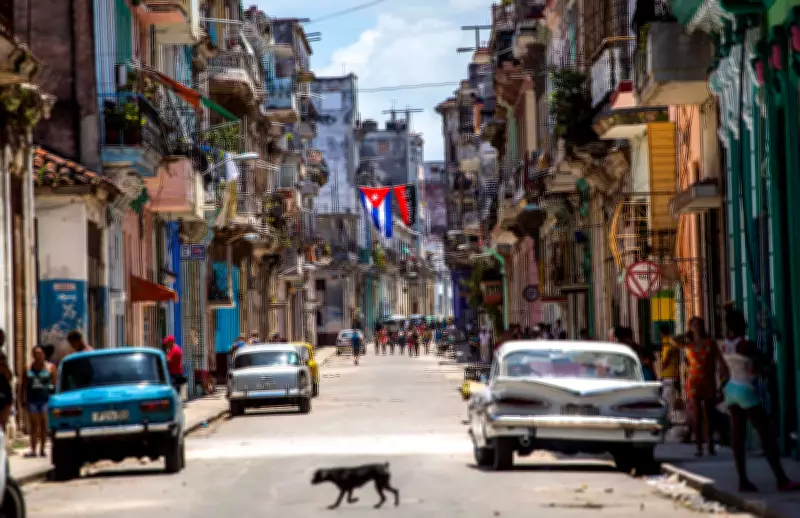
Canadians Detail Travel to Cuba for Humanitarian Missions
In a recent report, Canadians have opened up about their experiences traveling to Cuba, highlighting unique challenges and a strong commitment to humanitarian efforts. Many residents are making the journey to deliver essential food and supplies, driven by a desire to support the Cuban people during difficult times.
Practical Measures for Travelers
One notable aspect of these trips is the advice to photocopy your passport before departure. This precaution has become a common practice among travelers, as it helps mitigate potential issues with documentation in a country where access to resources can be limited. The recommendation underscores the need for careful preparation when visiting Cuba, where infrastructure and services may not always align with Canadian standards.
Travelers describe navigating bureaucratic hurdles and logistical constraints, yet they remain undeterred. Their stories reveal a blend of resilience and compassion, as they prioritize aid over convenience. This trend reflects a broader movement among Canadians who view travel not just as leisure, but as an opportunity to make a tangible difference in communities abroad.

Motivations Behind the Journeys
The primary motivation for these trips is humanitarian. Many Canadians cite a sense of duty to assist Cubans facing economic hardships and shortages. By personally transporting items like medical supplies, non-perishable foods, and other necessities, they aim to fill gaps left by larger aid organizations or political barriers.
This hands-on approach allows for direct impact, fostering connections between individuals across borders. It also highlights the evolving nature of international travel, where personal initiatives can complement official efforts. The experiences shared by these travelers offer insights into the realities of Cuba today, from its vibrant culture to its pressing needs.
Broader Context and Implications
This phenomenon occurs against a backdrop of complex Canada-Cuba relations, marked by historical ties and contemporary challenges. While tourism has long been a staple, these humanitarian trips add a new dimension to the bilateral dynamic. They demonstrate how ordinary citizens can play a role in international solidarity, even when formal channels are constrained.
As more Canadians embark on such missions, it raises questions about the future of travel and aid in the region. Will these efforts inspire policy changes or greater awareness? For now, the focus remains on the immediate benefits for Cuban recipients and the profound experiences for Canadian travelers.
In summary, the stories of Canadians traveling to Cuba reveal a compelling narrative of empathy and action. By photocopying passports and packing supplies, they turn journeys into missions of hope, showcasing the power of individual initiative in a globalized world.