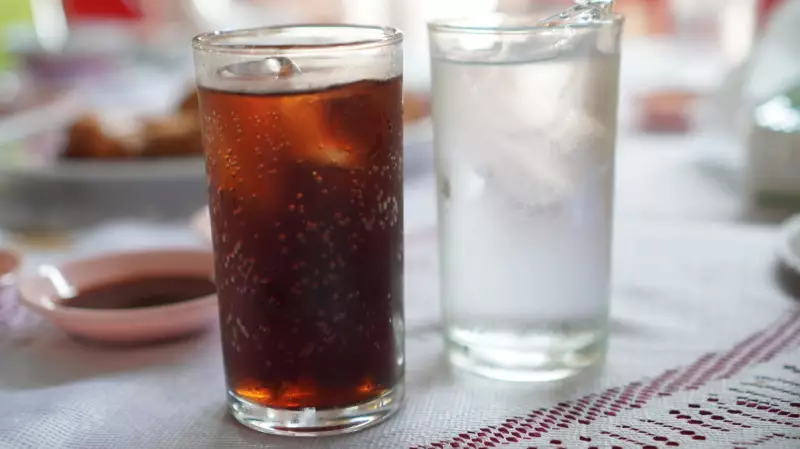
A simple request for ice in a Parisian cafe was all it took to reveal a family's nationality. During a first trip to the French capital, a young boy's anticipation for a cold Coke was met with a chilled glass, conspicuously lacking ice. When his parent asked a server for a few cubes, the response was a knowing nod and the remark, "Ah, you are Americans." This moment of inadvertent cultural exposure is far from unique.
The Unmistakable Signs at the Table
Travel experts who have observed tourists globally point to specific restaurant behaviors as dead giveaways for American visitors. Daniel Herszberg, co-founder of Travel Insighter and a traveler to every country, confirms that asking for ice is a primary and very common indicator. He notes that Americans often specify the amount, requesting "just half a cup" or "a few cubes." In contrast, many other cultures find drinks chilled from a refrigerator sufficiently cold. Anthony Neal Macri, creative director at the Italian Calabria Food Fest, explains that in Italy, "Ice is for a Negroni or to put on an injury."
Ordering a soda like Coke with a meal is another telltale sign, as it is less common in places like Europe, says Andrew Satkowiak of the Luxury Travel Agency. The expectation of free refills or calling it "pop" removes any remaining doubt. Following ice, Herszberg identifies condiments as the next big giveaway. Americans frequently ask for ketchup, mustard, or barbecue sauce, and are often surprised by extra charges, small portions, or their absence.

From Allergies to Impatience: A Cultural Clash
The manner of communicating food allergies also differs. While people worldwide have allergies, Herszberg observes that Americans tend to be very forward and directive, asking servers to "write this down for the chef." Europeans, he says, are more nonchalant, mentioning it as a "by the way."
Impatience with the pace of service is another hallmark. Allison Collier, founder of Collier Travel Collective, explains that Americans value efficiency and often finish meals quickly, ready to move on. In many other countries, meals are a slower ritual, and servers give diners space, not hover. Americans often misinterpret this as rudeness. Similarly, waiting for the check to be brought automatically can frustrate American diners; elsewhere, you must ask for it.
Even the simple act of ordering water can be revealing. Macri points out that Americans often just ask for "water," requiring clarification on type (sparkling, still, tap), and then tend to drink much more of it. "Americans hydrate like it's a competition," he observed.
Customization, Straws, and the Tipping Dilemma
A distinctly American expectation is the ability to customize menu items. Experts note that while many global restaurants operate on a "what you see is what you get" basis, Americans freely ask to remove tomatoes or add extra cheese. Paul Whitten of Nashville Adventures explains this stems from an expectation that "the customer's always right," which can read as bold or impatient overseas.
Macri's curiosity was piqued by the American "straw obsession," even for drinks like espresso. When he asked why, the answer was to avoid staining teeth. Finally, the automatic act of tipping, while well-intentioned, can reinforce stereotypes. In cultures where tipping isn't the norm, it can be seen as disregarding local customs, and in places like Japan and Korea, it can even be considered insulting.
The collective lesson from these observations is that while habits are hard to break, a little cultural awareness can help American tourists dine more like locals and avoid those telltale moments of recognition.