We are about to enter summer, which means peak travel season, and for many Americans, that means Italy. Indeed, Italy is one of the most popular international destinations for tourists from the United States, and it is easy to see why. The country offers something for nearly every kind of traveler, whether you want art and ancient ruins or seaside vibes and mouthwatering food. But navigating Italy as a tourist is not always as straightforward as it looks on Instagram. From etiquette slipups to logistical oversights, there are plenty of mistakes that can make your vacation more stressful and leave locals less than impressed.
To help travelers make the most of their trips, HuffPost asked Italians and Italy-based expats to share the most common errors they see tourists make. Below, find 12 mistakes to avoid, according to locals who have seen it all.
1. Trying To Cram Too Much Into Your Itinerary
Many travelers are coming to Italy for the first time and want to see it all. This is impossible and will ultimately lead to travelers feeling exhausted as they drag themselves from tour to sight to experience and so on. I suggest planning for one, max two big activities per day and then having a general idea of a neighborhood or area they want to explore at leisure. Leave time for getting lost and enjoying the place you are visiting, says Sammi DiBacco, writer and content creator.

A mistake is trying to pack Italy from north to south in a single trip. It is a stretch that, unless you have at least 20 days, will make your trip feel very much like a marathon. You will be back anyway, so it is worth just picking the right amount of places and taking time to enjoy them, adds Luca Castagnini, travel photographer and content creator.
2. Using Impolite Greetings, Or Skipping Them Entirely
When traveling to Italy, many tourists commonly use ciao. While ciao is commonly polite and friendly, using this greeting with strangers, in shops and in restaurants can sometimes appear overly familiar. Instead, travelers can try buongiorno to say good morning, buonasera to say good evening, or salve for a simple hello, to remain polite, says Martina Carucci, strategist with language learning app Preply.
A mistake is skipping the buongiorno or buonasera and arrivederci. One does not just walk into a shop without first saying hello. It is considered a polite gesture and part of our daily culture. Tourists also think they can use the word ciao as a salutation when it is only meant for people you know, notes Audrey De Monte, travel guide.
Many tourists avoid speaking Italian unless they can speak it perfectly, but even learning a few basic words goes a long way. Simple expressions like grazie (GRAH-tsyeh) for thank you, per favore (pehr fah-VOH-reh) for please and buongiorno (bwohn-JOR-noh) for good day are always appreciated. Italians usually value the effort much more than perfect pronunciation, and even a small attempt at speaking the language often creates a warmer connection with locals, explains Elisa Torello, founder of Elisa s Italian School.
3. Ignoring Regional Cuisine Differences
Every region and often every town has its own specialties, traditions and ingredients. For example, ordering carbonara in Venice is usually a sign that a restaurant is catering mainly to tourists, since carbonara is a Roman dish. Pizza is best experienced in Naples, while Florence is known for specialties like bistecca alla fiorentina and cantucci. Travelers often have a much more authentic experience when they research the local cuisine before arriving and allow themselves to try dishes they do not already know, says Torello.

A common mistake is comparing Italian food in Italy to Italian-American food or Italian food in other countries. Italian cuisine changes from region to region, and dishes abroad often evolve to match local tastes. When visiting Italy, I think people should try dishes exactly as they are presented instead of trying to remix them to fit what they are used to back home. Italians can be very particular about food, and many privately owned restaurants are not interested in heavily modifying dishes because they believe the meal is meant to be experienced a certain way. For example, instead of asking a chef to overcook a steak, it is better to ask what cut they would recommend if you prefer meat cooked more thoroughly. A lot of tourists misinterpret this directness as rudeness or poor service, when in reality it is often pride, tradition, and confidence in the food they are serving, adds Samone Rich, travel blogger and content creator.
4. Overlooking The Smaller Towns
A mistake in my opinion is not leaving a bit of time for smaller, lesser-known towns. I know that travelers want to make the best of the time they have, and they for sure want to visit the most iconic spots and cities like Venice, Pisa, Rome, Florence and so on. But sometimes if you are willing to get a regional train to a smaller city, or even rent a car to visit random Umbria towns, for example, they might discover that those places are the highlight of the trip! It is all about balance in the end, says Castagnini.
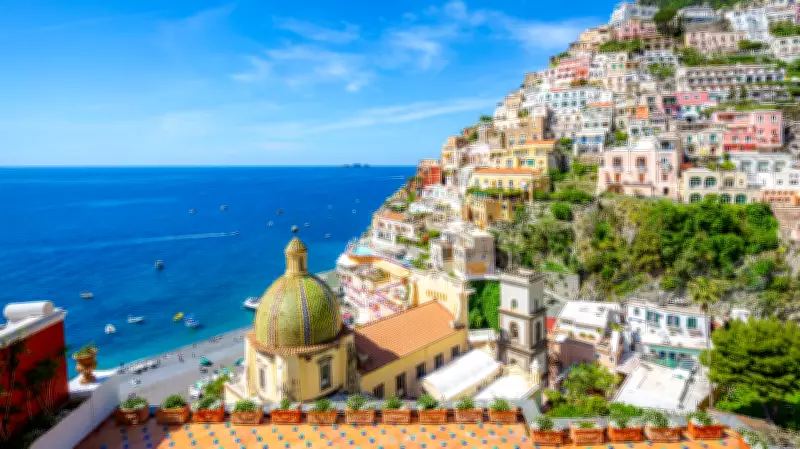
Do not only visit the Instagram-famous spots. Places like Lake Como, Venice, or Positano are beautiful, but many travelers miss smaller towns and less obvious areas that often feel more authentic and memorable, adds Marco D Isanto, Instagram travel creator.
5. Eating At Tourist Trap Restaurants And Gelaterias
If the menu is in five languages or has someone waving you in, do not sit down. I recommend doing a food tour almost as soon as you arrive, though, so that you learn how to avoid tourist traps, says Brianne Bartolini, content creator.
NEVER go to one of those touristy places with towers of ice cream, and I say ice cream, because for it to be able to withstand gravity and temperature like that it cannot be gelato artigianale. So whenever you see a gelato tower, run to a place that has it leveled or inside a container where it gets scooped out from lidded stainless steel containers called pozzetto, advises Castagnini.
Eating at restaurants right next to major tourist attractions is a mistake. These spots almost always serve overpriced, mediocre food. Walking two streets away makes a difference, notes Margherita Berti, Italian language teacher.
6. Fighting The Italian Pace Of Life Instead Of Embracing It
Expecting Italy to work at a fast pace is a mistake. Italy has a slower rhythm compared to many countries, and embracing that mindset usually leads to a much better experience. Meals are meant to be enjoyed slowly, and sometimes the best moments happen when you stop rushing, says D Isanto.
Try not to get frustrated if things take longer than you expect. The bill will come when it comes. Relax and enjoy the extra time at the table, advises Valentina Telese, Italian tours director at Walks of Italy.
Do not ignore the aperitivo hour. From around 5 to 7 p.m., many bars offer free snacks with a drink. Tourists who skip this miss one of Italy s best daily rituals, says Berti.
We are big advocates of slow food and slow travel. Italy is meant to be explored, appreciated and enjoyed one bite size at a time. By slowing down, you connect with the local pace of life, interact with locals, and gain a deeper understanding of the local culture, adds De Monte.
7. Underestimating The Heat, Crowds And Closures Of Summer
Most of the travelers I work with are from North America, and while they may come from hot places like Florida or Texas, nothing can prepare you for the heat in Rome and Florence in the summer. Add in the high season crowds and the limited use of air conditioning, and it can make for an unpleasant experience if you are not prepared. Many people do not realize popular museums like the Vatican Museums are only partially air conditioned. If you are coming in the summer, I suggest waking up early and getting out there from 7 to 11 a.m. Take a break or head inside during the hottest part of the middle of the day and come back out in the early evening. It is still hot at night, but at least the hot sun is not beating down on you! Pack a handheld fan, refillable water bottle and SPF, says DiBacco.
Visiting the sea in Italy in August is a big mistake. It is a month when many Italians, if not all, vacation, so it is busier than usual. Cities like Rome and Milan will be less busy, which is a plus, but it also means that many services could be closed as the majority of people are on vacation. We have a public holiday called Ferragosto every 15 August and cities are almost empty leading up to, and on, this day, notes Lisa Rivera, travel writer.
8. Ordering Coffee Incorrectly
Coffee and bar etiquette is something we teach guests because, for many travelers from the U.S., this can be hard to navigate at first. A few things will give you away immediately. Cappuccino is a morning drink because milk is heavy, especially after a meal. Espresso is the move. Also, do not ask for a latte unless you want a glass of warm milk. It is caffè latte. And when you walk into a bar, say buongiorno. It sounds small, but it matters. Italians notice, and they appreciate it, says Denyse Pantaleo, Rome tours manager at Walks of Italy.
Ordering a cappuccino after dinner in Italy is possible, but it may earn you the same look you would get for wearing flip-flops at a wedding. Italians believe milk belongs to the morning, adds Grace, founder of Italian with Grace.
9. Not Being Strategic About Reservations
This one is always controversial, but I suggest travelers make dinner reservations for most if not all of their evenings. The last thing you want to do after touring all day is have to think about where to eat. Everyone is hungry and tired and you might land in a subpar restaurant, or worse, a tourist trap. This is particularly important in Rome, Florence, Venice and Milan. Do your research in advance and alleviate the stress of planning on the fly. It makes a huge difference I swear! says DiBacco.
My number one tip is to read reviews before booking anything through an online travel agency like Viator or Get Your Guide. For some reason, in Rome, tour operators are overselling tickets on those platforms and canceling last minute. That leaves travelers scrambling to book tours or buy tickets, says Bartolini.
It is always better to book your tickets through a reputable tour provider or the attraction directly at least a few days in advance, advises Telese.
I read comments constantly from people who say their trip was ruined because they could not get Colosseum underground tickets, or who set alarms in the middle of the night to land a table at a hyped restaurant. The underground is interesting, but you can see much of it from the main level anyway. And Rome has hundreds of trattorias where you will eat as well, or better, than the ones that have become impossible to book, notes Elyssa Bernard, founder of Romewise.
10. Forgetting To Validate Train Tickets Before Boarding
One mistake is not validating paper train tickets before boarding. The validation machines can be easy to miss because they are usually on the platform or inside the station, not on the train itself, and the fines can be steep even if the mistake was unintentional, says Berti.
Inspectors do check and if they catch you, you could pay a 50-euro on-the-spot fine. Digital tickets are exempt. Show your QR code or booking in the app where you bought your ticket, adds Rivera.
11. Dressing For The Weather Instead Of The Destination
Try to avoid wearing flip-flops in cities and towns, as they are meant only for the pool or the beach. Wearing them anywhere else is often considered quite rude or sloppy. On top of that, they can be dangerous in urban areas, as it is easy to slip on uneven surfaces or cobblestones, but also hurt your feet. You might also be denied entry to certain places like churches, museums and restaurants, where they are not considered appropriate attire. Another pro tip: Avoid wearing hats or baseball caps while sitting inside restaurants, as it is considered impolite, says Lucrezia Oddone, founder of Learn Italian with Lucrezia.
Many tourists plan extremely packed days in Italy, and they often dress only for the temperature rather than for the places they are visiting. As a result, some visitors arrive at churches or religious sites wearing beachwear, very short clothing or outfits that feel too revealing for those environments. In Italy, especially in historic churches, modest dress is still considered a sign of respect, and in some places, you may even be refused entry if you are not appropriately covered. Carrying a light scarf or shawl is an easy solution during summer, especially for covering shoulders when needed, advises Torello.
12. Letting One Bad Experience Define Your Whole Trip
A mistake tourists make is allowing one negative interaction to define their entire trip. A tourist may have one unpleasant experience with a waiter, cashier, taxi driver, or stranger, and suddenly that moment controls their entire Italian holiday. I think it is important to remember that Italians are not a monolith. They are people. They have good days, bad days, personal problems, stress, exhaustion, and they also deal with thousands of tourists. Customer service culture in Italy is also very different from what many Americans are used to in the States. Italians are not trained to operate with the same always-on hospitality style you might experience at Disneyland or Chick-fil-A. Sometimes someone is simply having a rough day, and I think travelers should compartmentalize those moments instead of letting them ruin an experience they likely worked very hard and spent a lot of money to have, says Rich.
The horror stories online have people convinced they need to arrive armored, no jewelry, no iPhone out, anti-theft everything. Awareness goes further than any bag or gadget. Do not carry more cash than you need, do not carry more than one card, and stay conscious of who and what is around you. That is it. Do not let fear of pickpockets take over your trip, concludes Bernard.
Responses have been lightly edited for clarity and length.