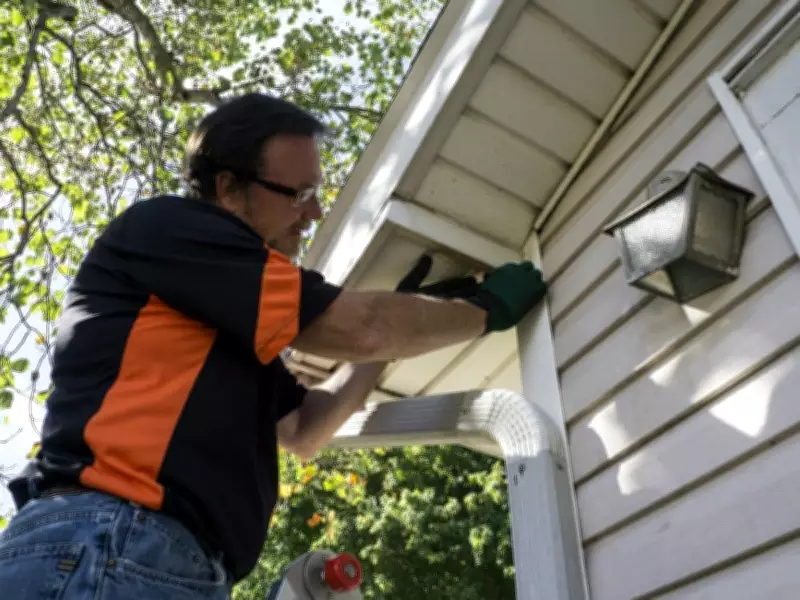
The Green Power of Home Maintenance: Preserving What You Have
In an era dominated by flashy eco-technologies and green product marketing, one of the most effective environmental strategies remains remarkably humble: diligent home maintenance. According to expert insights, keeping your house in good repair isn't just about comfort and property value—it's a profound act of environmental responsibility that often surpasses the impact of purchasing new "green" upgrades.
The Environmental Cost of Replacement Culture
Every product that enters your home carries a significant environmental burden long before it reaches your doorstep. The extraction of raw materials, manufacturing processes, transportation logistics, and distribution networks all contribute to this hidden ecological footprint. When items fail prematurely due to neglected maintenance, this environmental bill gets paid twice—once for the original product and again for its replacement, with disposal costs adding further strain.
Consider these compelling examples of maintenance-driven conservation:

- Roof longevity: A well-maintained roof that lasts 40 years instead of 20 saves all the resources required to manufacture, transport, and install an entire second roofing system while halving disposal needs for old materials.
- Deck preservation: Regular cleaning, sealing, and repair of wooden decks can prevent the consumption of tons of new lumber, fasteners, and chemical treatments that would be needed for replacement.
- Window protection: Proper maintenance that shields windows from moisture and ultraviolet damage can extend their lifespan by decades compared to neglected counterparts that require premature replacement.
Prevention Over Replacement: The Maintenance Mindset
Most building components don't fail because of poor design but rather because small, correctable problems were ignored until they became major issues. Loose flashing evolves into structural rot, inadequate paint preparation leads to siding replacement, and clogged gutters quietly cause foundation damage. These aren't inevitable failures but consequences of neglected maintenance.
From an environmental perspective, maintenance represents the art of preventing waste before it exists. It's a proactive approach that interrupts the cycle of consumption and disposal that characterizes much of modern living.
Cultivating a Stewardship Ethic
When homeowners embrace maintenance as a regular practice, they begin to see their houses not as collections of disposable parts but as long-term objects requiring ongoing attention. This shift in perspective transforms the question from "What can I replace next?" to "What can I preserve now?" This subtle but powerful change in thinking slows consumption patterns and encourages more thoughtful, intentional decisions rather than reactionary replacements.
Ironically, many well-intentioned green renovations fail precisely because ongoing maintenance didn't happen. Adding insulation to walls with hidden moisture vulnerabilities can trap water and promote decay, while installing high-efficiency heating systems in leaky houses wastes their potential. True efficiency is built upon the foundation of proper maintenance.
The Broader Environmental Context
This focus on maintenance comes at a critical time when environmental impacts continue to grow despite decades of awareness campaigns. The average Canadian today exerts twice the environmental impact compared to 1970 according to Ecological Footprint Index ratings. This increase has occurred alongside rising affluence that has doubled average house sizes, made winter overseas vacations commonplace, and increased motorized travel per person by nearly 70% with air travel skyrocketing by more than 300%.
While new technologies certainly have their place in environmental solutions, sometimes the most sustainable choice isn't adding something new but taking better care of what you already have. Home maintenance—quiet, boring, and rarely celebrated—represents one of the most environmentally responsible practices available to homeowners today. It proves that the greenest material is often the one you're not replacing.