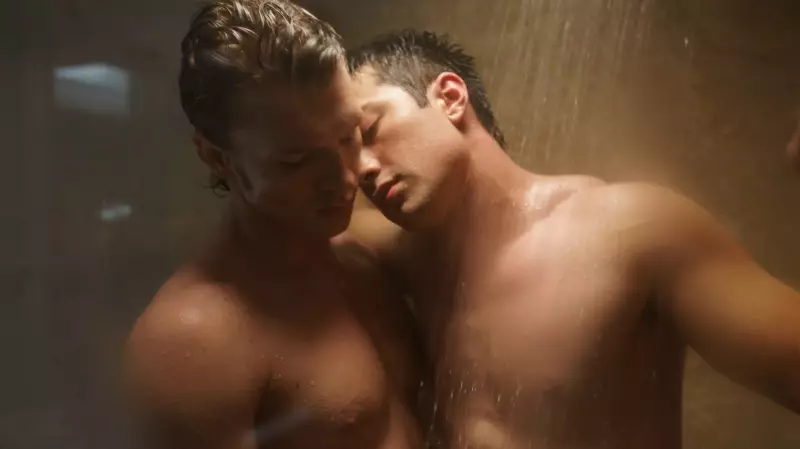
When the secret romance between professional hockey rivals Shane Hollander and Ilya Rozanov finally ignited on screen in "Heated Rivalry," it sparked more than just plot points—it ignited a passionate fan phenomenon. For many viewers, the moment was transformative, eliciting gasps, groans, and an inability to think about anything else, even long after the episode ended.
The Cultural Phenomenon of a Queer Sports Romance
Since its debut on HBO Max and Crave, the series adapted from Rachel Reid's book has cultivated a devoted following. Fans have expressed their passion through detailed fan-edited music videos, merchandise declaring "Gay Hockey Romance Saved My Life," and even tattoos inspired by symbolic show elements like chairs and loons. A significant portion of this ardent fanbase identifying with the story of two men in love are women.
Certified sex therapist Nicoletta von Heidegger notes that this attraction to content outside one's own experience is common. "People fantasize about and enjoy seeing content that specifically allows them to see or be someone else," she said. This can stem from a struggle to connect with one's own body or simply the intrigue of imagining another life.

Beyond Fantasy: The Psychology of Appeal
The show's structure, where months or years pass between the clandestine meetings of Shane and Ilya, creates an intense, sustained sexual tension. Therapists point to this as a core element of its appeal. The dynamic offers a form of psychological safety, a concept supported by academic research into the "fujoshi" culture in Japan, where women enjoy men-loving-men narratives.
As one research paper cited in the discussion suggests, women navigating patriarchal expectations may find an escape "by taking refuge in the idealized sphere of male homosexual fantasies." Watching a romance that inherently cannot involve them provides a respite from societal pressures.
For author and fan Jen Winston, however, the appeal is multifaceted. "People like it because we are attracted to male queerness," said Winston, who wrote "Greedy: Notes from a Bisexual Who Wants Too Much." She sees bisexuality as an identity that transcends binary attraction, and the show resonates with those drawn to that mindset.
Key Ingredients for On-Screen (and Off-Screen) Chemistry
Licensed marriage and family therapist Sammy Peachey identifies three compelling qualities in the show's intimate scenes: a clear power dynamic with Ilya as a soft dominant and Shane as an excited submissive, mutual yearning, and expertly built sexual tension. "People want to be wanted, and that is something that is on display in this show," Peachey emphasized.
Certified sex therapist Elizabeth Harles highlights the role of obstacles in fueling desire. "One of the defining things about erotic energy is interest plus obstacle equals, for many of us, arousal," she said. The decade-long secret relationship, coded communication, and fear of reciprocation are deeply relatable, especially for many queer viewers.
This portrayal also has real-world implications for representation. Winston is hopeful that Ilya's character—a confident, openly bisexual man who unashamedly states his desires—can help create a safer environment for bi men, who often face discrimination in both straight and LGBTQ+ communities.
For viewers captivated by Shane and Ilya's relationship, therapists suggest moving from self-judgment to curiosity. Ask what specifically excites you: Is it the physicality, the imagined emotions of the characters, or the feelings it evokes in you? Exploring these desires can be a creative act; Winston herself wrote fanfiction, a practice author Rachel Reid has also engaged in, with one of her early book drafts originating as fanfiction.
Ultimately, "Heated Rivalry" offers more than just a steamy story. It can serve as a conversation starter with partners, a window into queer experiences, or a catalyst for understanding one's own attractions and desires beyond traditional narratives.