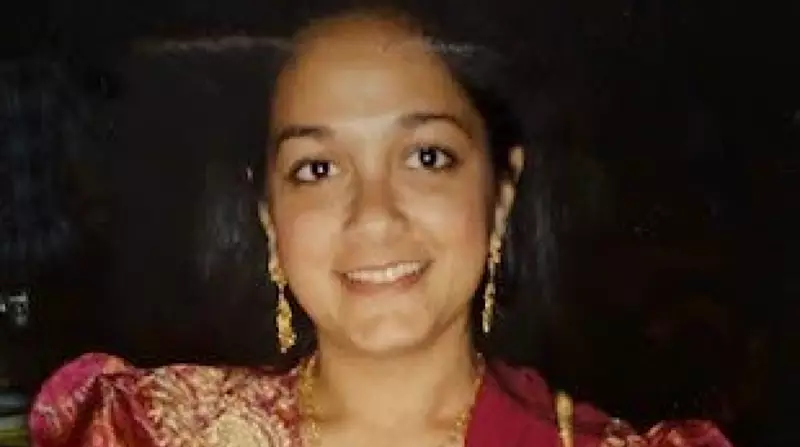
Leaving Mumbai with a Secret: A 19-Year-Old's Escape from an Arranged Marriage
At just nineteen years old, I boarded an international flight with a single suitcase and a carefully guarded secret. My extended family believed I was traveling to the United States for educational opportunities, but the reality was far more complicated. I was running from the predetermined life of a "good daughter" that had been meticulously scripted for me back home in Mumbai.
The Childhood Crush That Became a Cage
The man I was expected to marry had been part of my life since childhood. Five years my senior, he came from a wealthy Sikh family, attended school with my sister, and lived in the same high-rise building where I grew up. As a twelve-year-old girl with oily braids and thick glasses, I developed my first crush on this seemingly handsome and charming neighbor. I spent countless hours daydreaming about what life might be like if he chose me as his partner.
By the time I reached seventeen, however, the fantasy had completely shattered. While I remained the studious, obedient daughter burning midnight oil to prepare for important exams, I watched from my second-floor window as his car pulled into our building's garage night after night at 3 a.m., each time with a different young woman in the passenger seat. The double standard became painfully clear: while he was encouraged to "gain experience" during his parents' absences at their hill station retreat, I was expected to safeguard my virginity and reputation at all costs.

When my parents finally informed me they had arranged my marriage to this man, my childhood infatuation had completely transformed into sharp clarity. I recognized with certainty that this was neither the man nor the life I wanted for myself.
The Two-Year Countdown Begins
My parents supported my journey to the United States because my intended husband was headed to Harvard Business School. They believed this would provide us with an opportunity to "get to know each other" better. Their plan unfolded with precision: I would pursue my studies while he took responsibility for me, and within a few months, he would propose marriage. Following this, I would return to India to become his wife.
Two years. That was the timeframe stamped in black ink on my student visa, but it felt even more permanently etched into my future. The countdown clock had officially started ticking.
The Proposal That Wasn't Mine
Just a couple of months into graduate school, I flew to Boston to visit him. In his Cambridge apartment, with a Porsche parked downstairs and Eric Clapton playing in the background, he presented me with two engagement rings—one for daytime wear and another for evening occasions. By all external appearances, this represented a dream scenario. Yet I recognized with absolute certainty that this dream belonged to everyone but me.
When I declined his proposal, the consequences unfolded with breathtaking speed. The family communication network activated immediately. He called his mother, who then called mine. Within hours, I received instructions to leave Boston immediately. Having arrived via first-class flight from Los Angeles, I now found myself financially depleted, carrying my luggage onto a Greyhound bus for the long, uncomfortable journey back to California. This marked the first time I truly felt the substantial cost of my choice.
Life in Exile: Alive but Erased
Back in Claremont, California, I rented a room from an American couple whose marriage was visibly disintegrating. Their nightly arguments about furniture division, forgotten groceries, and mutual disappointments became my regular soundtrack. This contrasted sharply with my memories of Mumbai nights filled with swaying palm trees outside my window and the comforting laughter of cousins.
Meanwhile, the silence from home grew increasingly profound. Phone conversations with my parents became brief and emotionally brittle. Wedding invitations ceased arriving. Important family events, including funerals, occurred without my presence. At one wedding I wasn't invited to attend, an uncle referred to me as a "slut," declaring that I had dishonored our family name. This is precisely what exile feels like: remaining alive while being systematically erased from the narrative of those who once defined your existence.

Throughout this period, the two-year countdown continued relentlessly. I cried silently in the shower to avoid being overheard. I completed forms requesting emergency contact information and left those spaces deliberately blank. At nineteen years old, I already felt profoundly homeless in two different countries.
An Unexpected Connection Changes Everything
On my first day of classes, I arrived late and noticed a young man sitting at the far end of our seminar table. He possessed striking features—fair skin and blondish-red hair—unlike anyone I had encountered before. Several months later, while we both worked in our school's Economics department, he noticed my once-white tube socks peeking out from my pants, now tinged pink from laundry mishaps. With an awkward smile, he asked if I needed assistance with my laundry.
This simple, ordinary offer of help made me laugh genuinely for the first time in months. For the first time, I glimpsed what love might actually look like: not control, not duty, but simple kindness. He knew about my arranged marriage situation but remained blissfully naive about its cultural significance. When my family requested his birth time for astrological chart preparation, he politely declined without realizing how bold that refusal actually was.
Building a New Life Against All Odds
Our relationship developed quietly through late-night takeout meals, shared study sessions, and small moments of mutual choosing. As the two-year deadline approached, the country faced economic recession with scarce employment opportunities and even scarcer visa sponsorships.
I relocated to Indianapolis for the only job I could secure, with employers who promised to sponsor my immigration paperwork. For months, I worked tirelessly, stayed late consistently, and accepted every assignment, only to discover they had been dishonest—no paperwork had ever been filed. I learned harsh American lessons about financial survival: dealing with bouncing rent checks, stretching single packets of ramen across three meals, and calculating whether I could afford gasoline to reach my workplace.
Eventually, a new company honored their commitment, sponsoring my work permit, which led to a green card and permanent residency. For the first time in years, I finally felt solid ground beneath my feet. I married the kind young man from the Economics department and mailed photographs home to my parents. I never learned whether they actually looked at those images or simply placed them in a drawer—they never mentioned receiving them.
A Decade of Estrangement and Fragile Reconciliation
For ten long years, complete estrangement characterized our relationship. No phone calls. No visits. I had transformed into the daughter who ran away, systematically erased from family gatherings and celebrations.
After I had three children, a subtle shift occurred. My parents recognized I "wasn't going to get divorced" and visited our family in Indianapolis. Our reconciliation proceeded slowly and cautiously, but it felt genuinely real. My children finally met their grandparents, and for a brief period, it seemed we might have bridged what once appeared an impossible gap.
Tragedy then reshaped everything once more. My parents died within months of each other, and with their passing went the fragile bridge we had begun rebuilding. The emotional wound remains tender and unfinished. Today, India exists for me as a place that is neither quite home nor completely gone—a country I return to as both daughter and stranger, carrying love and loss in precisely equal measure.
The Complex Legacy of Choosing Freedom
Decades later, my external life appears polished and successful: a meaningful career, a husband I consciously chose, three wonderful children. Yet I maintain an internal ledger documenting what this freedom ultimately cost: my mother's profound grief, my father's deep disappointment, the uncle who called me derogatory names, the cousins whose weddings I missed entirely.
Many people prefer the Hollywood version of my narrative: the daring escape followed by triumphant reinvention. Certainly, moments existed that felt exactly like that. But equally present were nights when I fell asleep wondering whether belonging might have been easier than freedom.
Here is what I have learned through this challenging journey:
- You can love your family deeply while still refusing the life they selected for you.
- You can take pride in your resilience while simultaneously aching for the birthdays and celebrations you missed.
- You can build a new home while still experiencing homesickness when encountering aromas reminiscent of your mother's cooking.
Freedom does not cancel out loss—these two experiences coexist side by side in my consciousness. I didn't merely walk away from a man I once crushed on; I walked away from an entire script written for me: the Porsche, the engagement rings, the immigration paperwork battles, the profound silences, the conditional belonging that carried a price tag I simply couldn't pay.
Instead, I walked directly into the messy, fragile, beautiful, consciously chosen life I built through determination and perseverance. I lost the family that raised me, but I gained the family I actively chose. That represents a price I would willingly pay again.
Sona Jepsen is a writer and C-suite executive who walked away from an arranged marriage at nineteen and rebuilt her life completely from scratch in the United States. She writes thoughtfully about courage, caregiving, and personal transformation, weaving intimate personal stories with universal human truths. Her debut book, "Pink Dragon: Breathe Fire Into Your Life and Leadership," is currently available.