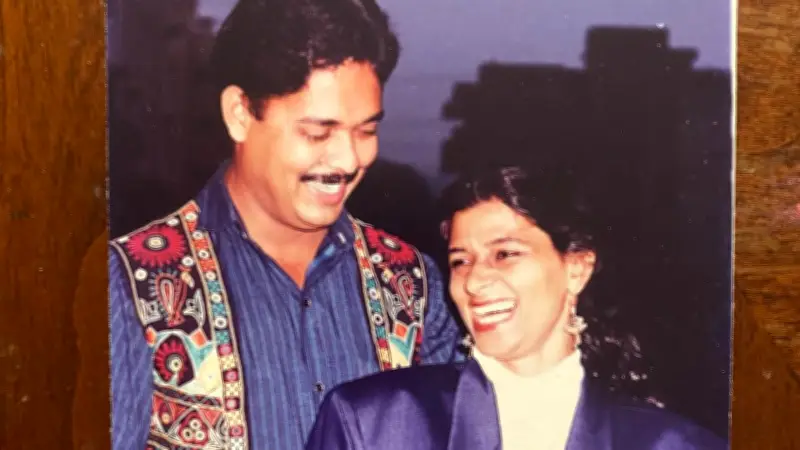
The author married her husband in April 1988. By 1992, when their son was two and a half, her husband left the country for work, unable to find stable employment at home. What was meant to be a temporary separation stretched into more than three decades of living apart. She rebuilt her life as a single parent, working and raising their son while he lived overseas, visiting occasionally. When their son turned 18 and moved out, she lived alone for over a decade, building a complete adult identity independent of her husband or child.
Return After Decades
Recently, her husband announced he was returning home permanently. While friends and family congratulated them, she felt panic. She wondered: How does a woman who has lived alone for decades suddenly relearn companionship? The first days felt like sharing a home with a familiar stranger. Her favorite reading chair was marked for disposal; the thermostat became a battleground because his body was used to Canadian winters. Silence was exchanged for small talk, one toothbrush became two, and every corner of the house was now shared.
Micro-Griefs of Independence Lost
She experienced a quiet identity crisis. For years, she knew every system in the house: where spare keys were, which technician overcharges, how to winter-proof doors, which neighbors to greet. Even small domestic decisions—groceries, kitchen drawer arrangements, money management—required renegotiation. “There are no self-help books for women navigating the return of a spouse after three decades of logistical independence,” she writes. “And there’s no language for the many micro-griefs of giving up your independence.”

Two Identities Merging
Long-term solitude rewires expectations of companionship. She is adjusting not just to his presence, but to the version of him that grew without her, and he to the version of her that grew without him. She feels pulled in two directions: wanting him around yet wanting to protect the life she built. She mentally rehearses how to reclaim evening silence or carve out personal space without seeming cold, then feels guilty for wanting that space.
Tender Moments and Hope
Despite the discomfort, tender moments emerge: making morning tea for two, setting up a quiet “his corner/her corner,” cooking a simple dinner together, and realizing the house feels warmer with two voices. After living apart for over 30 years, the shape of a marriage changes. The advantage was giving each other space to grow. The fear is growing so apart that they never want to be together. Hope, she says, looks simple: finding a rhythm that doesn’t erase the people they became but gently makes room for both. She treats this phase as a new chapter, not a continuation of the old one. This is not a story about rediscovering marital bliss, but about redefining companionship in later life. In her 60s, she is discovering that togetherness, like independence, has to be learned—not once, but over and over again.