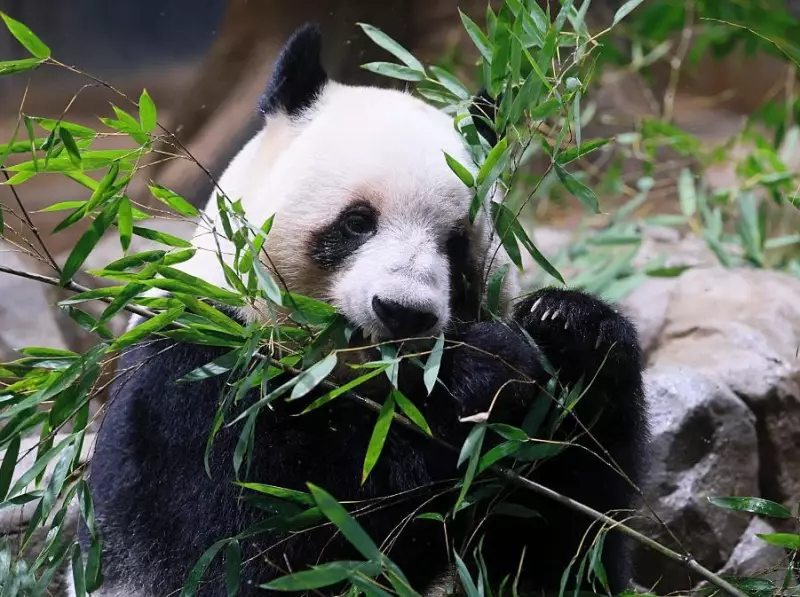
In an unusual and creative response to a diplomatic shift, a zoo in Japan has resorted to having its staff impersonate giant pandas to comfort disappointed visitors. This move comes after the last of the beloved bears were returned to China, leaving a panda-shaped void at the park.
Panda Impersonators Fill the Void
According to a report by the U.K. Times, workers at Adventure World in Wakayama, south of Osaka, are now donning hats with panda faces. The staff are going so far as to allow park visitors to feed them chunks of apple, mimicking the experience of interacting with the real animals. The last four pandas at the park were recently sent back to China.
The initiative is part of a new offering called the "Panda Love Club," designed to lure inconsolable panda enthusiasts. For a fee of 8,000 yen (approximately $70), members can participate in a 90-minute program. This experience includes dressing like a zookeeper and performing tasks that mimic actual animal care, such as preparing meals, observing behaviour, filling out daily reports, and checking the safety of enclosures.

The End of an Era in Japan
The return of the pandas is rooted in deteriorating relations between China and Japan due to ongoing geopolitical issues. China has a long history of "panda diplomacy," loaning the animals to allied nations. However, Japan is now compelled to return them.
The nation's last two pandas, twins Xiao Xiao and Lei Lei at Tokyo's Ueno Zoo, are scheduled to be sent to China later in January 2026. This event will mark a significant milestone: the first time since 1972 that Japan will be without any pandas. Adventure World itself has been involved in giant panda protection and breeding programs in both countries since 1994.
A Creative but Temporary Solution
While the "Panda Love Club" offers a novel and interactive experience, it underscores the deep cultural impact of the animals' departure. The park stated the special attraction aims to allow visitors to "learn about the relationship between pandas and care staff" and "experience the significance of passing on the lives of giant pandas to the future."
This inventive, if somewhat surreal, strategy highlights the lengths to which institutions will go to maintain visitor engagement in the face of significant change, all while navigating the complex realities of international relations and wildlife conservation agreements.