TikTok's Viral 'Conservative Girl' Makeup Trend Sparks Debate Among Political Makeup Artists
If you have spent any time on TikTok over the past year, you have likely encountered the viral "conservative girl" makeup trend dominating "For You" pages. This phenomenon, which often mocks the perceived aesthetic of Republican women, raises a provocative question: Is this trend a genuine critique of a distinct political makeup style, or merely an opportunity for online bullying? Makeup artists who work with politicians and women across the ideological spectrum offer their professional insights.
The Origins of the Trend and Its Defining Characteristics
The trend gained momentum after liberal comedian Suzanne Lambert posted a video parodying what she described as the "MAGA girlie" look. According to Lambert and countless imitators using hashtags like #republicanmakeup, this style features poorly lined lips, mismatched foundation, and clumped mascara, resulting in an overall "matte and flat" appearance that some describe as "drained" or "dusty."
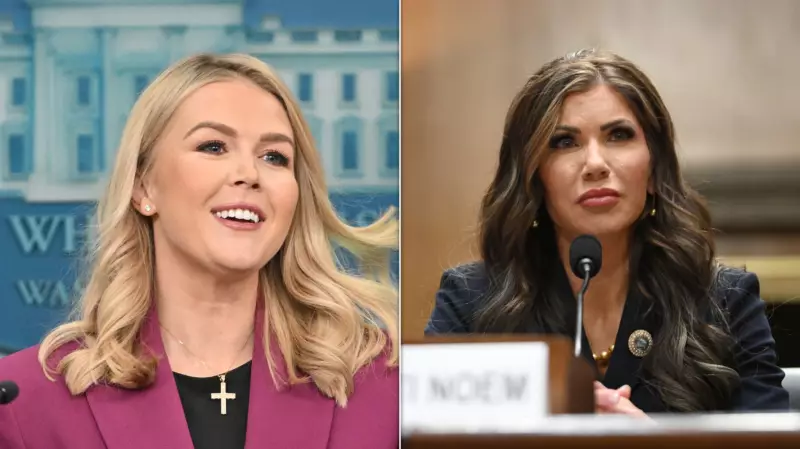
Videos under this trend, while varying slightly, consistently depict an "applied-in-the-dark" aesthetic. Common critiques include blocky eyebrows, stark black eyeliner circles, and concealer or foundation that appears too pale or overly orange compared to the wearer's neck or body. Prominent figures like White House Press Secretary Karoline Leavitt, Secretary of Homeland Security Kristi Noem, and Representative Marjorie Taylor Greene have been cited as examples by TikTok creators.

Professional Makeup Artists Weigh In: Is It a Real Style?
Kriss Blevens, a makeup artist with experience across nine election cycles working with figures from Tulsi Gabbard to Hillary Clinton, acknowledges an evolving Republican makeup look. She appreciates the "pageantry" some conservative women embrace, describing successful versions as "slightly matte" with a "bronzed quality" that makes eyes, cheeks, and lips stand out. Blevens attributes any clownish results seen on TikTok to "user error," such as poor blending or incorrect color matching, and praises figures like Noem for "nailing it."
Michelle Phillips, who has worked at both major party conventions, suggests the conservative look reflects branding rather than personal preference. She notes that female anchors on conservative networks often sport bolder makeup, whereas liberal-leaning outlets favor softer, more understated styles. Freelance artist Leah Greene, who has worked with clients from Marianne Williamson to Fox News personalities, observes that liberal clients specifically request not to look like they are appearing on Fox, opting for neutral colors over bronzer.
Beyond Politics: The Universality of Makeup Mistakes
Several artists challenge the notion that poor makeup application is exclusive to any political group. Natalie Hayes, who has worked with both Republican and Democratic figures, argues that "underblended knows no race, ethnicity, or political camp." She cites examples of makeup mishaps across the aisle, from a Democratic congresswoman with overplucked brows to a conservative official with worn-off lip liner. Hayes emphasizes that some politicians openly acknowledge their lack of expertise, while others insist on using their own products.
Angella Theriault, a Boston-based artist, dismisses the idea of a distinct "Republican makeup look," stating she would tailor makeup to individual features rather than political affiliation. However, she points out that the trend's focus on white women accurately reflects the Republican Party's lack of racial diversity, suggesting homogeneity in makeup shades may stem from a lack of representation.

The Broader Implications: Bullying, Diversity, and Political Identity
While Theriault finds the trend mean-spirited, she acknowledges it highlights the demographic reality that a majority of white women, particularly evangelical and non-college-educated voters, supported Donald Trump in 2024. This homogeneity, she argues, may contribute to perceptions of a uniform makeup style. Ultimately, the debate transcends beauty standards, touching on issues of political branding, online culture, and the intersection of personal appearance with public identity. Whether the "conservative girl" look is a real phenomenon or a viral caricature, it underscores how makeup has become a lens for examining deeper social and political divides.