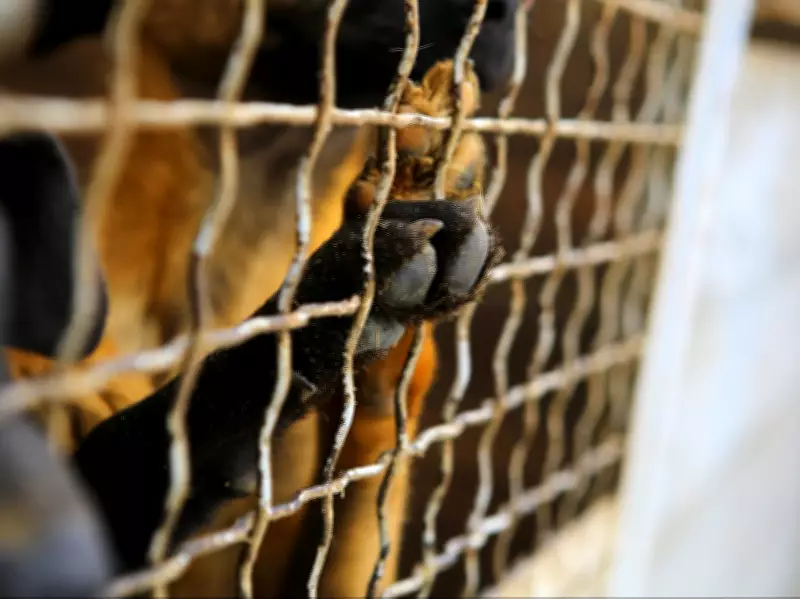
Ontario Woman's Massive Dog Care Bill Dramatically Reduced After Seizure of 58 Animals
An Ontario woman facing a staggering bill exceeding $100,000 for the care of dozens of dogs seized from her home has seen that amount reduced to just $10,000. The Animal Care Review Board made this significant adjustment after considering the woman's severe financial distress and personal circumstances.
Distressing Conditions Lead to Major Seizure
The case involves Alina Vernigorova of Stoney Creek, who had 58 dogs removed from her residence in July 2025. Animal welfare authorities responded to multiple complaints about conditions at the home, where investigators discovered what they described as unsanitary and concerning living situations for the animals.
Investigator Tina Magliocco testified about the disturbing scene she encountered: "The dwelling was covered in layers of feces and the floors were soaked in urine. There were dogs throughout the house, some in crates, all living in unsanitary conditions without adequate food or water."

The situation was so severe that air testing revealed dangerously high ammonia levels. Some dogs suffered from fleas and had fur matted with feces, while Vernigorova herself was found with feces on her legs and shoes during the investigation.
Financial and Personal Circumstances Influence Decision
Debra Backstein, vice-chair of the Animal Care Review Board, explained the reasoning behind reducing the bill from $108,928.64 to $10,000. The board considered extensive testimony about Vernigorova's challenging personal situation.
Key factors in the decision included:
- Vernigorova's unemployment status
- Significant unsecured debt and arrears
- Sole responsibility for caring for her autistic son
- Documented mental health challenges including depression
- Professional psychological support documentation
Backstein noted that while accountability was important, a higher amount would create "an unpayable debt" given Vernigorova's circumstances. The reduced $10,000 amount was deemed to balance meaningful accountability with practical considerations.
Scale of the Operation and Additional Discoveries
The seized dogs included 55 miniature poodles, a maltese, a shih tzu, and a German shepherd. Following the initial removal of 58 animals on July 4, 2025, investigators returned on July 10 and discovered an additional dog hidden behind a bathtub within a wall cavity.
The bill covered extensive costs including:
- Transportation of the animals
- Boarding facilities
- Veterinary services
- General animal care expenses
These costs accumulated between July 3 and August 12, 2025. Interestingly, six puppies were born after their pregnant mothers were seized—four poodle/maltese mixes and two miniature poodles.
Uncontrolled Breeding Contributed to Expenses
Evidence presented during the appeal revealed that Vernigorova had been spending approximately $3,000 monthly on premium dog food before the seizure. However, she acknowledged that the dogs were not spayed or neutered due to cost concerns.
Backstein's decision noted that "the uncontrolled breeding of the dogs was a significant contributor to the scale of the expenses incurred." This uncontrolled reproduction directly increased the number of animals requiring care and consequently drove up costs.
While Vernigorova didn't dispute the actual costs calculated by the chief animal welfare inspector, she argued that some expenses were unreasonable or unnecessary given her personal circumstances and inability to pay.
The decision means taxpayers will ultimately cover the remaining balance of nearly $99,000 for the care of these animals. The case highlights the complex intersection of animal welfare concerns, personal financial hardship, and public responsibility in addressing such situations.