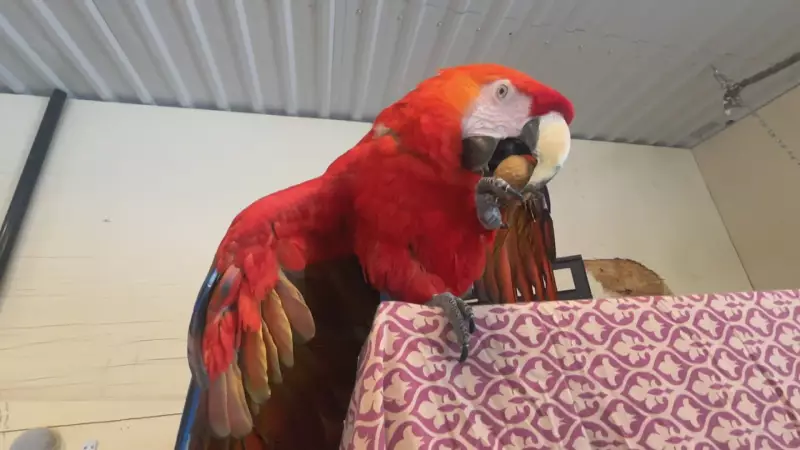
The largest parrot rescue organization in eastern Ontario is taking decisive action to confront a mounting problem described by experts as a parrot crisis. The rescue has officially launched a new pilot project aimed at finding sustainable solutions.
Addressing a Growing Animal Welfare Challenge
Avian experts and animal welfare advocates have been sounding the alarm for some time, noting a significant increase in the number of parrots being surrendered or found in need of care. This surge has strained the resources of shelters and rescues across the region. The eastern Ontario rescue, which is at the forefront of this issue, decided a structured, innovative response was necessary to manage the influx and improve outcomes for these intelligent birds.
Details of the New Pilot Initiative
The pilot project, announced on January 06, 2026, represents a proactive step to mitigate the crisis. While specific operational details of the program are being finalized, the core mission is to enhance the rescue's capacity for intake, rehabilitation, and long-term care. The project is expected to involve new protocols for veterinary care, behavioral training for parrots with complex needs, and potentially expanded foster networks to alleviate overcrowding.

The initiative also aims to tackle the root causes of the crisis, which often include owners who are unprepared for the decades-long commitment and specialized care that parrots require. Part of the project may involve public education campaigns to promote responsible parrot ownership.
Implications and Future Goals
The launch of this pilot project is seen as a critical test case for addressing large-scale avian welfare issues in Canada. Success could provide a replicable model for other rescues facing similar pressures across the country. The organization hopes the project will not only improve the immediate welfare of the parrots in their care but also contribute to broader strategies for population management and owner education.
The rescue's move underscores a growing recognition within animal welfare circles that non-traditional pets, particularly long-lived and intelligent species like parrots, present unique challenges that require dedicated resources and innovative approaches. The outcomes of this eastern Ontario pilot will be closely watched by stakeholders nationwide.