Recognizing and Addressing Pet Separation Anxiety: A Comprehensive Guide
Many pet owners return home to distressing scenes: uneaten meals, reports of constant crying from sitters, or signs of household destruction. These behaviors often indicate pet separation anxiety, a condition that manifests differently across animals. According to Dr. Vanessa Spano, a veterinarian and veterinary behaviorist at New York City's Schwarzman Animal Medical Center, this emotional distress requires thoughtful intervention rather than punishment.
The Nature of Separation Distress in Pets
Separation anxiety stems from two primary sources, as Dr. Spano clarifies. Hyperattachment occurs when pets experience distress specifically when separated from their primary person, regardless of whether other humans are present. Alternatively, isolation stress happens when being alone triggers anxiety that resolves once any human companion returns.
Common symptoms include:

- Panting, pacing, or excessive salivation upon your return
- Destructive behavior or indoor soiling
- Refusal to eat meals or treats during your absence
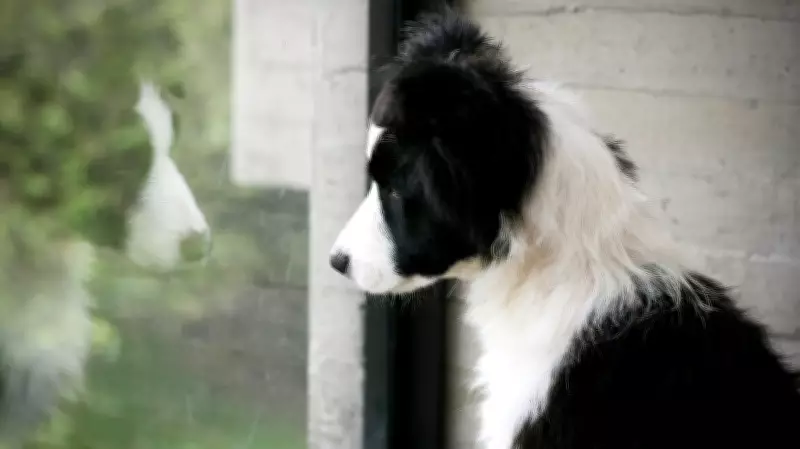
- Constant waiting at doors or windows
- Inability to engage with toys or settle down
Essential Management Strategies
Dr. Spano emphasizes that "crying it out" is neither helpful nor ethical for treating separation anxiety, as many pets experience genuine anxiety for hours. Instead, she recommends a multifaceted approach beginning with consultation from a veterinary behaviorist and a positive-reinforcement trainer.
Critical environmental adjustments include:
- Providing continuous access to food, water, comfortable bedding, and designated potty areas
- Avoiding crate confinement during absences
- Creating a calm atmosphere through noise management
Practical Tools for Monitoring and Comfort
Since separation anxiety occurs in your absence, observation becomes challenging. Dr. Spano suggests home camera systems like Wyze, which offer motion tracking, 360-degree rotation, and smartphone connectivity. These allow real-time monitoring and facilitate communication with pet sitters about behavioral observations.
For creating soothing environments, consider:
- Species-specific pheromone diffusers: Adaptil for dogs and Feliway for cats release calming analogs without affecting other household members
- White noise machines: Devices like the popular Homedics model help buffer environmental noises, particularly important for noise-sensitive pets
- Noise insulation: Adhesive foam or decorative wall panels can reduce sound transmission in noisy living spaces
Supplemental Support with Veterinary Guidance
Dr. Spano stresses that all supplements require veterinary approval to ensure safety for your pet's specific health profile. Research-supported options include:
L-theanine based products like Anxitane and Solliquin, which contain green tea extract shown to reduce anxiety symptoms. These come formulated for different animal sizes and are available as tablets or chews.
Alpha-casozepine supplements such as Zylkene, derived from milk protein, work gradually to reduce anxiety without sedation. Available formulations cater to pets of varying weights.
When Professional Intervention Becomes Necessary
For persistent separation anxiety cases, Dr. Spano notes that combined pharmaceutical and behavioral approaches often prove most effective. Anti-anxiety medications prescribed by veterinarians, alongside positive-reinforcement training programs, can provide comprehensive relief for severely affected animals.
Remember that each pet's anxiety profile differs, requiring personalized strategies developed in consultation with veterinary professionals. The products mentioned serve as potential tools within broader treatment plans rather than standalone solutions.