The global fascination with owning unusual animals is fueling a shadowy and often illegal online marketplace, leading to growing demands for governments to enact stricter controls. This underground trade, which spans social media platforms and dedicated websites, poses significant risks to both animal welfare and ecological balance.
The Digital Marketplace for Rare Creatures
Investigations by authorities and conservation groups have revealed that the internet has become a primary hub for the exotic animal trade. Sellers use coded language and private groups on major social media platforms to advertise everything from rare reptiles and primates to birds and big cats. The anonymity and reach of the web make it exceptionally difficult for wildlife officials to monitor and intercept these transactions, many of which violate international treaties like CITES (the Convention on International Trade in Endangered Species of Wild Fauna and Flora) and domestic laws.
The Associated Press highlighted this issue in a report published on December 02, 2025. The problem is not confined to any single region; it is a pervasive global issue with direct implications for Canada, where both demand and enforcement challenges exist. Animals are often smuggled across borders in cruel conditions, leading to high mortality rates and the potential introduction of invasive species or zoonotic diseases.

Risks to Wildlife and Public Safety
Beyond the obvious conservation concerns—such as the depletion of wild populations—the unregulated exotic pet trade creates serious public safety hazards. Many of these animals can be dangerous, carrying diseases transmissible to humans or possessing the capacity to cause severe injury. Owners are frequently unprepared for the specialized care, size, and lifespan of these creatures, leading to situations where animals are abandoned, released into non-native environments, or suffer from neglect.
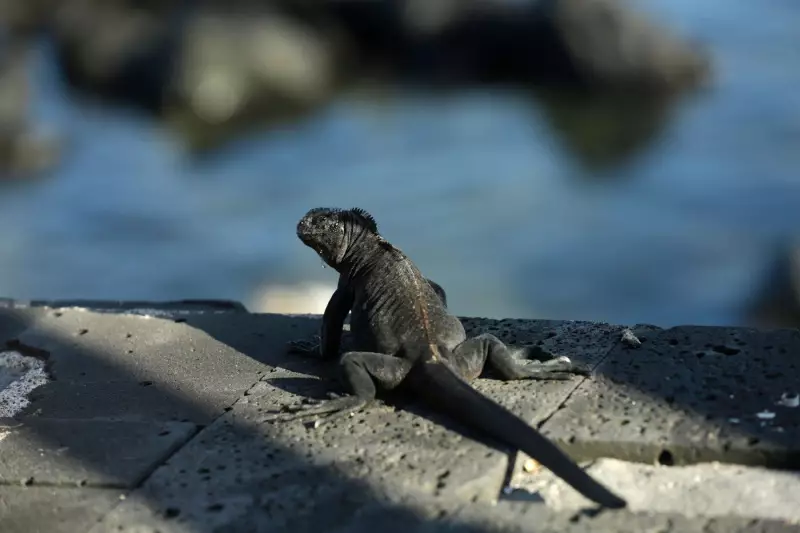
This unsustainable demand puts immense pressure on species that are already vulnerable. The case of the marine iguana, a species native to the Galapagos Islands as shown in an AP photo from May 2, 2020, exemplifies the allure of unique wildlife. While not all traded species are endangered, the lack of oversight means protected animals are regularly caught up in the lucrative market.
A Growing Push for Legislative Action
In response to the escalating trade, animal welfare organizations, conservationists, and some lawmakers are advocating for a multi-pronged approach to strengthen regulations. Proposed measures include:
- Tougher penalties for online platforms that fail to proactively police and remove illegal wildlife sales.
- Enhanced border controls and inspection protocols to detect smuggled animals.
- Clearer and more restrictive laws defining which species can be legally owned as pets, often moving towards positive lists (only approved species are allowed) rather than negative ones (only banned species are listed).
- Greater public education campaigns about the ethical and practical consequences of owning exotic pets.
The call for action underscores a critical junction for wildlife policy. As the digital era makes illicit trade easier, the need for modern, enforceable, and internationally coordinated regulations has never been more urgent. The outcome of this push will significantly impact global biodiversity and the well-being of countless animals caught in the trade.