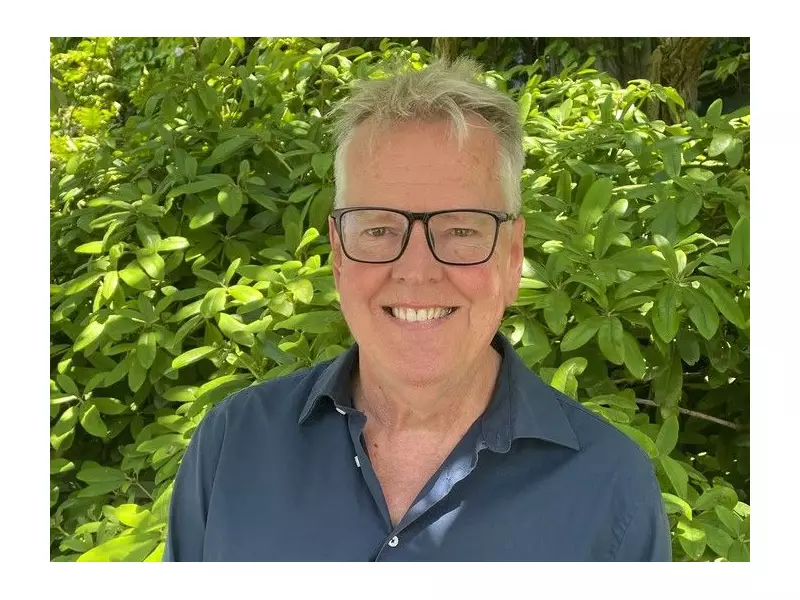
Vancouver Author Reveals Practical Strategies for Affordable Living in Expensive City
Local author and columnist Steve Burgess has developed a comprehensive guide to frugal living specifically tailored for Vancouver residents facing one of North America's highest costs of living. His new book, Cheapskate in Lotusland, represents his third publication and offers practical advice drawn from decades of personal experience and professional research.
Beyond Simple Frugality: A Research-Based Approach
Burgess, who works as a freelancer from his West End apartment, emphasizes that his book goes beyond simple money-saving techniques. The publication incorporates interviews with local business owners, psychology professors, and marketing experts who provide insights into how consumer spending habits are shaped and sometimes exploited by modern retail practices.
"This isn't just a celebration of frugality for its own sake," Burgess explains. "It's about understanding the psychological and economic forces that influence our spending decisions, particularly in a high-cost environment like Vancouver."

Four Key Strategies for Vancouver Residents
Burgess outlines several Vancouver-specific approaches to reducing living expenses:
- Avoid Car Ownership When Possible
After housing costs, transportation represents one of the most significant financial burdens for Vancouver residents. Burgess notes that gasoline prices in the region rank among the highest in Canada, and when combined with insurance, maintenance, parking, and depreciation, vehicle ownership costs can escalate rapidly.
"In Vancouver, it's remarkably feasible to live without a car thanks to the city's density, extensive bike lane network, and relatively mild winters," Burgess observes. "Cycling provides year-round transportation that's both economical and practical for many residents."
- Minimize and Manage Debt
Burgess describes debt as "a ball and chain" that restricts financial freedom. While acknowledging that mortgages and student loans are unavoidable for many, he emphasizes the fundamental principle of spending less than one earns.
"What I want is to be free from worrying about money," Burgess states. "That means having money in the bank and avoiding purchases that create future financial obligations. Living within your means reduces anxiety and preserves flexibility, which I consider the real currency of financial health."
- Master Grocery Flyer Strategies
Burgess dedicates Wednesday as his weekly flyer review day, but cautions that consumers should approach these publications with discernment. He notes that many items featured in flyers are simply regular-priced products included to fill space, rather than genuine bargains.
"The best deals are typically found in-store through clearance sections and products marked down 30 to 50 percent due to approaching expiration dates," he advises. "Flexibility in shopping choices rather than rigid adherence to shopping lists often yields the greatest savings."
- Reconsider Expiration Date Anxiety
Burgess encourages consumers to adopt a more nuanced approach to expiration dates, noting that many foods remain perfectly safe and nutritious well beyond their "best before" labels. He particularly recommends produce markets like Sunrise, which he describes as Vancouver's "second-hand vegetable store" for discounted items.
"Most foods maintain their quality longer than expiration dates suggest," Burgess explains. "There are exceptions, of course—avocados and arugula deteriorate quickly—but generally, expiration dates represent conservative estimates rather than safety deadlines."
Lifestyle Adaptation for Financial Freedom
Burgess's approach extends beyond individual tips to encompass a complete lifestyle philosophy. His decades of refining frugal habits demonstrate that sustainable cost reduction requires consistent practice and adaptation to Vancouver's unique urban environment.

The combination of cycling infrastructure, market accessibility, and conscious consumption habits creates a viable pathway to financial stability even in one of Canada's most expensive metropolitan areas. Burgess's research suggests that understanding consumer psychology and retail marketing strategies provides residents with additional tools to navigate Vancouver's challenging affordability landscape.