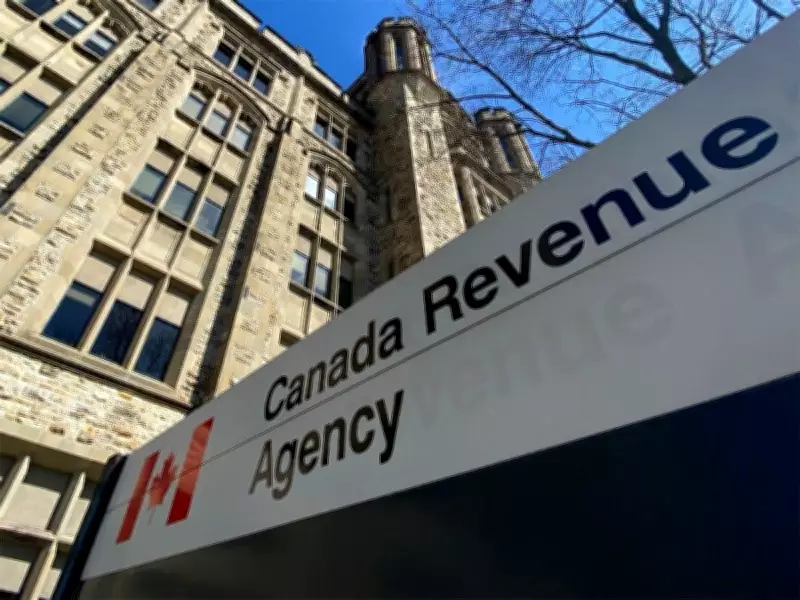
Canadians Sitting on Billions in Unclaimed Federal Money
A startling new report tabled in Parliament reveals that Canadians are collectively holding onto $2 billion in uncashed cheques issued by various federal government departments. This massive sum represents approximately 3.9 million paper cheques that have gone unclaimed over a four-year period, highlighting significant financial oversight among recipients.
Substantial Unclaimed Benefits Programs
The report details several major federal programs contributing to this staggering total. Notably, $141 million in Canada Carbon Rebate cheques remain uncashed, despite the program's discontinuation last year. Additionally, families have left approximately $42.8 million in Canada Child Benefit payments unclaimed. This tax-free monthly payment is specifically designed to assist with child-rearing expenses, making its neglect particularly concerning.
It's important to note that government cheques never expire, meaning recipients can still cash these payments regardless of how much time has passed since issuance. This policy provides some relief for those who may have misplaced or forgotten about their benefits.

Why Paper Cheques Persist in Digital Age
While the federal government strongly prefers direct deposit for benefit distribution, several circumstances necessitate paper cheques. Many Canadians, particularly seniors and those in remote communities, have not registered for electronic transfers. For these individuals, traditional mail remains the primary delivery method for essential payments.
The timing difference between delivery methods is significant: direct deposits are available immediately on payment dates, while mailed cheques typically require up to 10 business days for delivery. This delay can create cash flow challenges for recipients relying on timely benefit payments.
Federal Programs Still Using Paper Cheques
The report identifies several key federal benefits that continue to be distributed via paper cheque for those not enrolled in direct deposit:
- Canada Child Benefit (CCB): Monthly tax-free payments supporting eligible families
- Old Age Security (OAS): Monthly payments for Canadians aged 65 and older
- Guaranteed Income Supplement (GIS): Non-taxable monthly benefit for low-income OAS recipients
- Canada Pension Plan (CPP): Monthly retirement, disability, or survivor benefits
- Canada Groceries and Essentials Benefit: Quarterly payments assisting low-income households (formerly GST/HST credit)
- Canada Workers Benefit (CWB): Advanced payments supporting low-income workers
- Income Tax Refunds: One-time payments issued after annual tax return processing
Provincial Programs and Postal Considerations
In Ontario, additional programs contribute to the paper cheque volume. The Ontario Trillium Benefit (OTB) helps cover energy costs, property taxes, and sales tax for low- to moderate-income residents, while the Ontario Disability Support Program (ODSP) provides crucial support for residents with disabilities. Both programs continue to issue paper cheques to eligible recipients.
During postal disruptions such as Canada Post strikes or significant delays, the government implements prioritization protocols. Essential cheques including OAS, CPP, and CCB payments receive priority handling, while other benefit cheques may be temporarily held until normal postal service resumes.
Financial Implications and Recommendations
The $2 billion in unclaimed funds represents not just individual financial loss but also broader economic implications. This money remains in government accounts rather than circulating through the Canadian economy where it could support local businesses and community services.
Financial experts recommend that Canadians regularly check for unclaimed benefits, particularly if they have moved residences or changed banking arrangements. The government encourages all benefit recipients to enroll in direct deposit to ensure timely, secure receipt of payments while reducing administrative costs associated with paper cheque production and mailing.

This report serves as a crucial reminder for Canadians to verify their benefit receipt status and ensure they're not missing out on entitled financial support that could significantly impact household budgets and overall financial wellbeing.