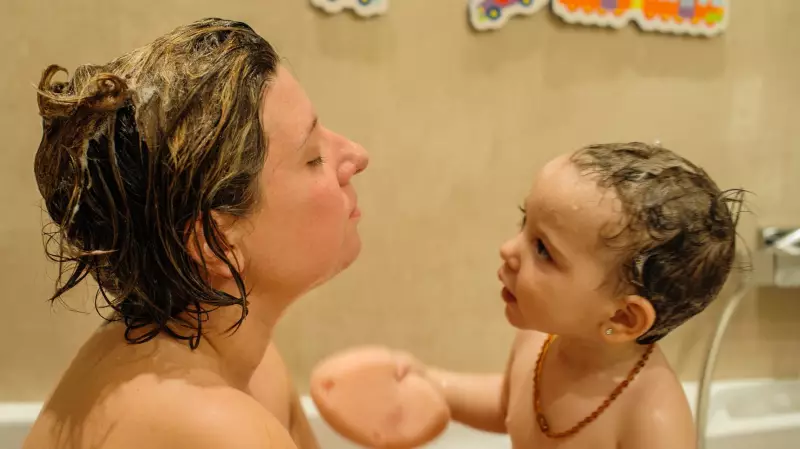
For parents, moments of unintentional nudity in front of children are often a simple fact of family life. Whether it's a dash from the shower or a quick change of clothes, these brief encounters are common. While they're unlikely to cause lasting harm, many caregivers wonder about the long-term impact and when it might be time to establish more privacy.
There's No One-Size-Fits-All Rule
According to experts, the appropriateness of casual family nudity depends on a complex mix of factors. Reena Patel, a psychologist and parenting expert, emphasizes that a family's approach should consider the child's age, maturity level, and unique development, as well as parental preferences, culture, family values, and overall parenting style.
Kanchi Wijesekera, a licensed clinical psychologist, notes that family norms naturally evolve as children grow. Before preschool, kids may not grasp the concept of nudity. As they become more aware of their own bodies, they often start asking questions or seeking more privacy for themselves.

Age, Memory, and Reading Your Child's Cues
Research indicates that children form their earliest memories around age 3 or 4, retaining them for a few years before they typically fade by third or fourth grade. Clinical psychologist Adolph Brown explains that this means concerns about nudity before age 3 are largely unfounded, as few, if any, memories will persist.
The key, experts agree, is to be attentive to your child's reactions as they age. "If they are grossed out, scream 'awkward' in embarrassment or run, you have your answer," Brown advises. Conversely, if they carry on unaffected, they are likely comfortable. Patel personally recommends starting to cover up more consistently around age 4 to help establish clear boundaries, noting that before that age, it's largely a matter of parental preference.
Fostering Body Positivity and Teaching Consent
Handling nudity in a casual, comfortable manner at home can help children develop a healthy, shame-free relationship with their bodies, Wijesekera says. Modeling self-acceptance allows kids to cultivate a nonjudgmental attitude toward their own physical selves.
However, Brown points out that body positivity can be taught with or without nudity. "Children will still learn an appreciation of all shapes and sizes based on the adults' acceptance of themselves or expression of self-love," he states.
This stage is also a crucial time to discuss consent and privacy. Brown recommends not allowing children to touch your body while unclothed, using it as a lesson in respecting personal space. It's important to talk about who it is okay to be naked in front of and to differentiate between private and public behavior.
"Children need to know what they should do if their boundaries are violated and if they are inappropriately touched," Brown stresses. Wijesekera adds that teaching children they have a right to privacy and autonomy is invaluable.
Ultimately, there is no universal right or wrong answer. The goal is to find a balance that feels authentic to your family's values and dynamics. "If you ever feel uncertain, trust your instincts and stay tuned in to your child's reactions," Wijesekera advises. Following a child's lead as they signal a need for more privacy is a powerful way to model mutual respect.