As winter approaches and Canadians prepare to hibernate indoors, a coalition of health experts is sounding the alarm about the urgent need to maintain outdoor activity habits throughout the colder months. The message comes from an updated Position Statement on Active Outdoor Play released in 2025 by Canadian researchers and international partners.
Returning to Our Outdoor Roots
Advocating for outdoor activities represents an effort to reclaim a time when fresh air and physical play naturally drew people outside, rather than screens keeping them indoors. The 2025 statement expands its focus beyond children to include people of all ages, recognizing that the benefits of outdoor movement span generations.
"When we play outdoors, we engage in more physical activity and less sedentary behaviour and screen time leading to better sleep," stated the outdoor play advocates. The research clearly shows that outdoor activity improves cholesterol levels, blood pressure, body composition, and both physical and mental health.

The Alarming Statistics Behind the Push
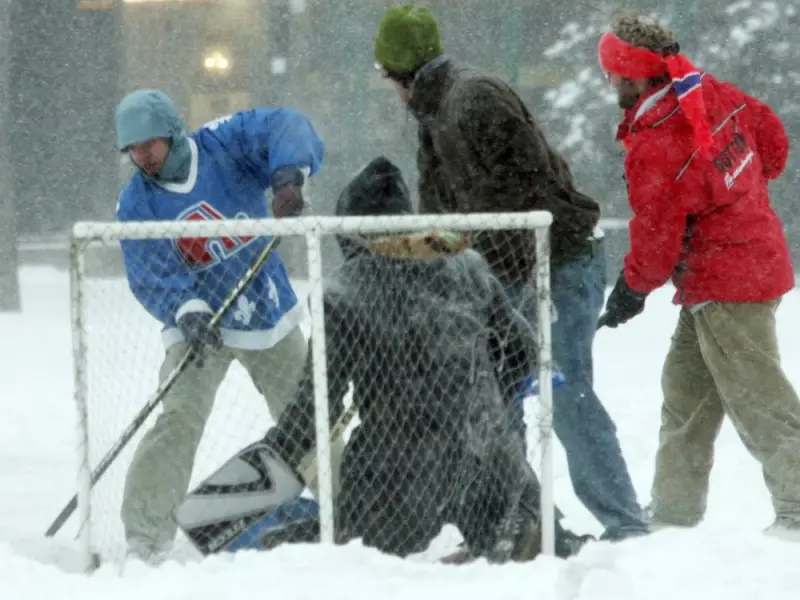
The urgency behind this movement becomes clear when examining current activity levels among Canadian youth. Only 39 percent of Canadian children and youth aged 5-17 meet the recommended 60 minutes of moderate-vigorous physical activity daily. This represents a significant decline from previous generations who regularly participated in backyard rinks, road hockey games, snow forts, and toboggan hills.
Several factors have contributed to this shift away from outdoor play. Municipal bylaws sometimes discourage children from playing in streets, while safety concerns have led to the closure of popular toboggan runs in some communities. The normalization of sedentary indoor activities and screen time has further reduced spontaneous outdoor play.
Building Healthier Communities Through Outdoor Access
The 2025 Position Statement calls for collective action across multiple sectors. Municipalities are urged to improve access to spaces that promote active outdoor play, building on innovations seen during COVID-19 when cross-country ski trails appeared on golf courses and ice rinks were installed in local parks.
"We recommend increasing opportunities for active play in all settings where people live, learn, work and play," emphasized the statement authors. Educational institutions from elementary schools to universities can contribute by installing outdoor gyms, skating rinks, and play structures that encourage creative physical activity.
Perhaps most importantly, families hold the greatest potential for change. Normalizing daily outdoor activity creates healthy routines that can last a lifetime. The experts remind Canadians that perfect conditions aren't necessary—simple activities like snowball fights in the backyard or street hockey at the end of the driveway provide excellent opportunities for movement and connection.
There's no more quintessential Canadian experience than adults and children chasing a puck while wearing their favourite NHL team sweaters. These moments create core memories that far surpass the isolated experience of staring at screens in basements. By inviting neighbors, friends, and classmates to join in, Canadians can rebuild the culture of outdoor play that once defined childhood and community life.