Calgary's Winter Season Interrupted by Unusually Mild Temperatures
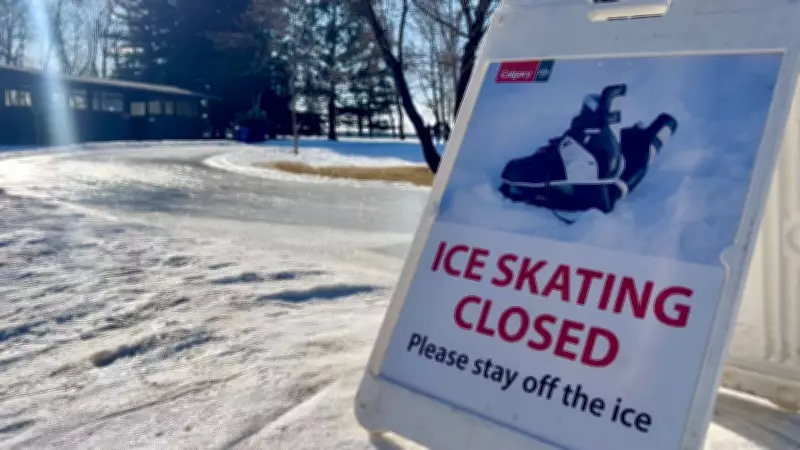
Residents of Calgary are experiencing a significant shift in their seasonal routines as unseasonably warm weather has forced the suspension of traditional winter pastimes. The City of Calgary officially closed the popular ice trail at North Glenmore Park on January 31, 2026, marking an early end to outdoor skating activities that typically thrive throughout February.
Impact on Recreational Infrastructure
The closure comes as temperatures have remained consistently above freezing, creating unsafe ice conditions and making maintenance of winter recreational facilities impractical. This development represents a notable departure from Calgary's typical winter climate patterns, where frozen surfaces normally remain viable well into March.
City officials have confirmed that the decision was made based on current weather forecasts and ongoing safety assessments. The ice trail, which normally serves as a hub for community recreation during the coldest months, has been particularly affected by the persistent mild conditions.

Community Response to Changing Conditions
While some residents have expressed disappointment at the premature conclusion of winter activities, many Calgarians are adapting by embracing alternative outdoor pursuits. The warmer weather has prompted increased participation in activities such as:
- Walking and hiking on cleared pathways
- Early-season cycling on dry pavement
- Outdoor gatherings in parks and public spaces
- Gardening preparations typically reserved for spring
"This isn't the February weather we're accustomed to," noted one long-time Calgary resident. "While we'll miss the ice skating, it's been refreshing to enjoy extended time outdoors without heavy winter gear."
Broader Weather Pattern Context
This weather anomaly in Calgary occurs within a broader pattern of temperature fluctuations across Canada. While southern Alberta experiences unusual warmth, other regions continue to face more typical winter conditions, highlighting the diverse climate realities across the country during this transitional period between seasons.
The early thaw raises questions about potential impacts on other winter-dependent activities and infrastructure, though city representatives have indicated they are monitoring conditions closely and will adjust operations as needed throughout the remainder of the winter season.