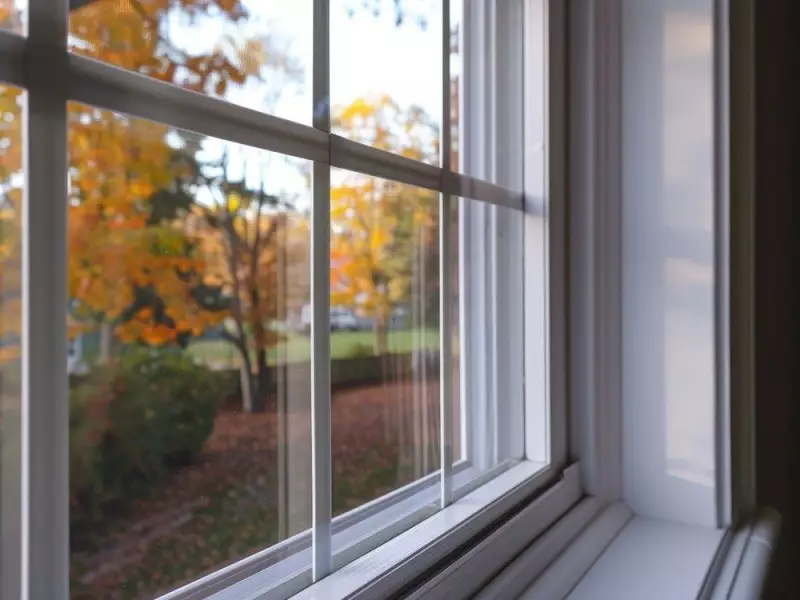
As temperatures plunge across Canada, proactive home maintenance becomes crucial to protect your property from winter's harsh effects. Proper sealing, insulation, and ventilation are key to preventing expensive issues like moisture damage and inefficient heating.
Critical Systems: Furnace and Ventilation Checks
It is essential to have your furnace and hot water tank inspected in the fall to confirm they are operating safely and efficiently. At a minimum, homeowners should check and replace the furnace filter every three months. This simple task maintains proper airflow and prevents the furnace motor from overworking, which can lead to breakdowns.
Many newer homes are equipped with a Heat Recovery Ventilation (HRV) system. This device extracts warm, moist air from bathrooms and other areas, recaptures the heat, and vents the moisture outside. The HRV also contains a filter that traps dust, dirt, and even insects from incoming air, which can become clogged rapidly. Unlike disposable furnace filters, HRV filters are typically reusable and can be vacuumed or washed. Experts recommend checking both furnace and HRV filters every three months for optimal performance.

Sealing Leaks and Checking Insulation
Cold air leaks are a major source of heat loss and can lead to moisture problems. Common trouble spots include doors, windows, exterior wall outlets, ceiling light fixtures, and floor joists around the home's perimeter. Another critical area is the attic, especially if mechanical systems are installed there. If the attic is not properly sealed, insulated, and vented, warm, moist air can escape and condense, causing "attic rain." This phenomenon can result in tens of thousands of dollars in damage over time.
To find hidden drafts, homeowners can use an inexpensive tool like a smoke pencil. Missing insulation is another invisible problem. Using an infrared temperature gun, which costs under $30, can reveal temperature differences in walls and ceilings, indicating exactly where additional insulation is needed.
Managing Windows and Indoor Humidity
During extreme cold snaps, particularly when temperatures drop below -20°C, homeowners should monitor their windows for frost buildup. Even modern homes with triple-pane windows are not immune. The goal is to mitigate or eliminate this frost, as it indicates excessive indoor humidity meeting cold surfaces.
When the mercury dips to -40°C, nearly all windows will show some frost. To limit its formation, keep blinds and curtains open to allow warmer air to circulate over the glass and strive to keep indoor humidity below 25%. Slightly lowering the thermostat can also help. Furthermore, ensure bathroom fans are effectively removing steam after showers or baths; installing a fan with a timer switch can guarantee it runs long enough to clear the moisture.
By following these maintenance steps, Canadian homeowners can enhance their comfort, improve energy efficiency, and safeguard their investment against winter's costly assaults.