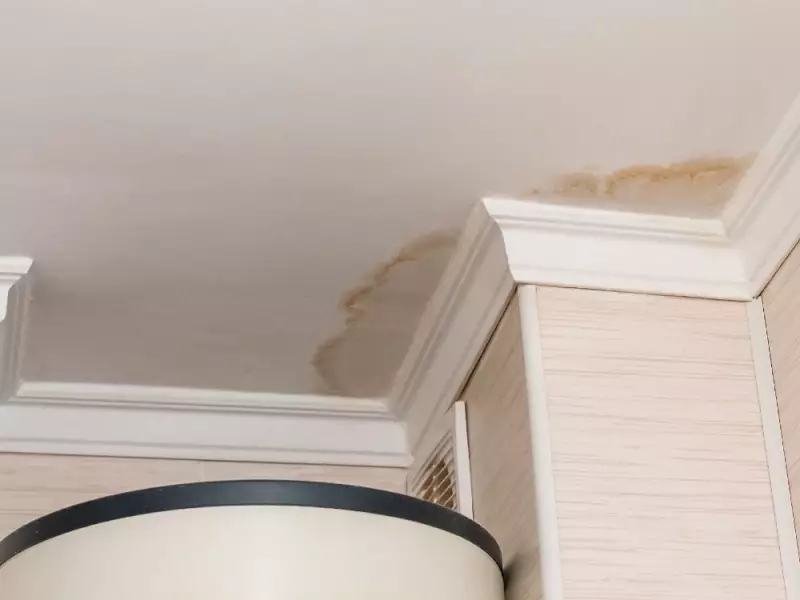
As temperatures plummet across Canada each winter, a puzzling and persistent problem emerges in many households. Homeowners are often baffled by unexplained water stains on ceilings during dry spells or the sudden appearance of mold on interior walls. These mysterious moisture issues are not only confusing but can also signal significant, hidden damage within a home's structure.
The Hidden Culprit: Winter Condensation and Air Leakage
The source of this mystery moisture isn't a roof leak or a burst pipe. The real culprit is the warm, moist air inside your own home. This phenomenon, driven by wintertime condensation, stumps even some professionals. When outdoor sources are ruled out, the only remaining source is the heated indoor air, which holds a surprising amount of moisture vapor.
The fundamental science is straightforward: warm air can hold more moisture than cold air. As air cools, its capacity to hold water vapor drops sharply. The second critical piece of the puzzle is air leakage. If the air barrier in your home is incomplete—even slightly—warm indoor air will migrate into wall cavities, attics, and ceiling spaces during cold weather.

Consider this example: indoor air at a comfortable 22°C with 50% relative humidity is only half-saturated. However, if that air seeps into a wall cavity and cools to 12.5°C, its relative humidity jumps to 100%. Any further cooling forces the excess moisture to condense into liquid water droplets on insulation, wood framing, and other surfaces. During extended cold snaps, this moisture can even freeze solid within the structure.
The Consequences: Frost Buildup and Spring Thaw Leaks
When temperatures are sufficiently low, the expelled moisture freezes instantly inside walls and ceilings. The longer the cold spell, the more frost accumulates. This hidden ice reservoir remains unnoticed until warmer weather arrives. Then, it melts, often resulting in confusing leaks on a sunny, spring day—long after any winter storm has passed.
This dynamic can be extreme. Contractor Steve Maxwell recounts a case where gallons of water leaked from under baseboards in a new home after the spring thaw, all due to massive internal frost accumulation from air leakage. While this is a severe example, it perfectly illustrates the destructive potential of this cycle.
Why Cathedral Ceilings Are Especially Vulnerable
Certain home designs are more prone to these issues. Cathedral ceilings present a particular risk. Unlike standard, ventilated attics that allow moisture to escape above the insulation, cathedral ceilings typically offer no such relief pathway. This trapped, moist air leads directly to condensation problems, which is why Maxwell notes he hears regularly from distressed homeowners with wet cathedral ceilings every winter and spring.
The Solution: Sealing the Envelope
The key to preventing these winter moisture mysteries is straightforward: stop warm indoor air from seeping into the building envelope. This is the purpose of the plastic vapor barrier installed on the warm side of insulation during construction. However, the integrity of this barrier is often compromised over time or was never complete.
Common points of failure include breaks around:
- Light fixtures and ceiling boxes
- Electrical outlets and switches on exterior walls
- Attic access hatches or pull-down stairs
- Plumbing and wiring penetrations
Identifying and meticulously sealing these leaks is the most effective remedy. For Canadian homeowners facing strange dampness, the investigation should start not with the roof, but with the invisible pathways that allow their own home's warm, moist air to invade its colder structural cavities.