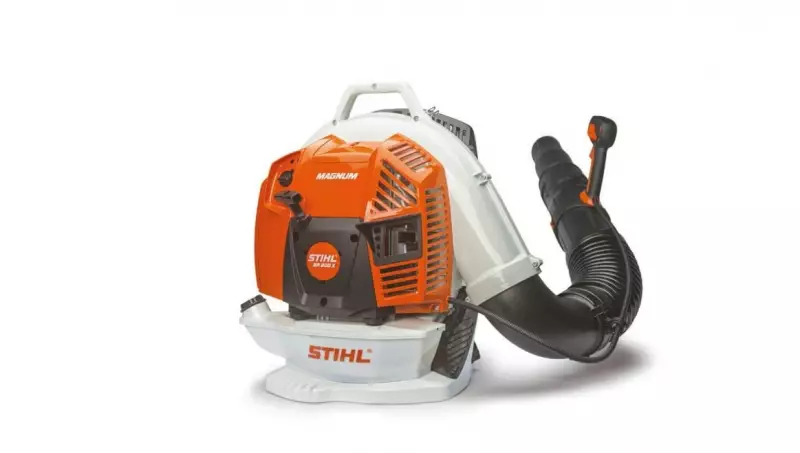
Health Canada, in collaboration with the manufacturer STIHL, has issued a significant recall for a popular model of backpack blower. The action involves nearly 3,000 units sold across the country due to a serious safety defect that poses a risk of laceration to users.
Details of the Recall and Identified Hazard
The recall specifically targets the STIHL BR 800 model of backpack blower. According to the official notice, a critical component failure is at the heart of the safety concern. The recall states that the blower's impeller wheel can break apart during operation. If this occurs, sharp fragments from the shattered component can be ejected from the machine's housing at high speed.
This poses a direct and immediate laceration hazard to the operator or anyone standing nearby. The recall was formally announced and updated by the regulator on December 29, 2025. Consumers are urged to take this warning seriously, as the failure of the impeller is not a mere performance issue but a genuine threat of physical injury.

What Owners Need to Do Immediately
If you own a STIHL BR 800 backpack blower, the directive from Health Canada and STIHL is clear and urgent. You must stop using the equipment immediately. Continuing to operate the recalled blower puts you and others at risk of injury from flying debris.
The next step is to contact STILL directly to arrange for a free repair. The company has committed to fixing the defect at no cost to consumers. Owners should reach out to an authorized STIHL servicing dealer or contact STIHL's customer service line to initiate the repair process. It is crucial not to attempt any repairs yourself, as this could void the remedy offer and may not adequately address the safety flaw.
Broader Context for Consumer Safety
This recall underscores the ongoing importance of product safety vigilance and responsive regulatory action. Health Canada's role in identifying and publicizing such hazards is a key part of protecting Canadian consumers. Recalls of this nature are not uncommon for power tools and outdoor equipment, where mechanical stress and high-speed components can lead to unforeseen failures.
For owners, the process is designed to be straightforward: cease use, make contact, and get the unit repaired professionally. By following these steps, users can ensure their equipment is safe before returning to regular use. Consumers can also check the Health Canada recalls and safety alerts database online for the most current information on this and other product safety notices.