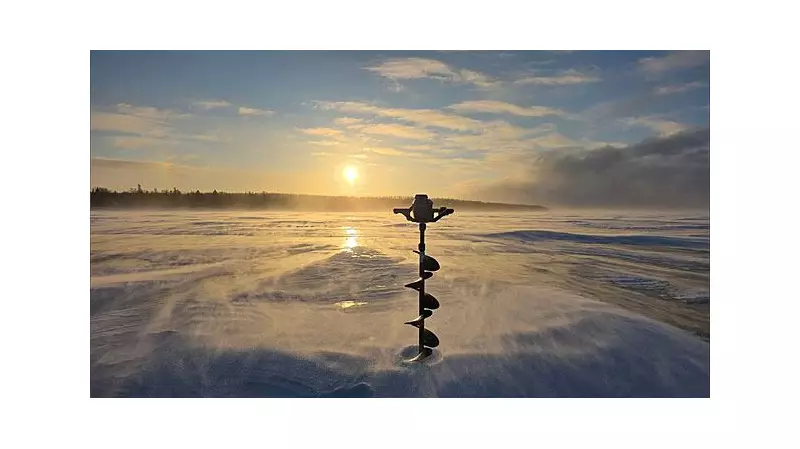
With winter firmly gripping the province, many Manitobans are drawn to the frozen landscapes for recreation, but experts are issuing a vital reminder: ice is inherently unpredictable. Understanding the risks and knowing how to evaluate conditions are critical steps for anyone venturing onto lakes, rivers, or ponds.
The Unpredictable Nature of Winter Ice
Ice formation is not a uniform process and can be dangerously deceptive. A variety of factors influence its strength and stability, making it impossible to judge safety by appearance alone. Moving water from currents or springs significantly weakens ice, even in the coldest temperatures. Similarly, snow cover acts as an insulating blanket, slowing down the freezing process and creating potentially thin, weak spots.
Other hidden hazards include old ice holes, pressure cracks from expanding and contracting ice, and areas near docks or rocks that absorb sunlight and heat. The key takeaway for outdoor enthusiasts is that no ice should ever be considered 100% safe. Constant vigilance and preparation are non-negotiable.

Essential Guidelines for Assessing Ice Thickness
Before setting foot on any frozen surface, it is imperative to check the ice thickness. This should be done carefully, at regular intervals, as you move further out. General safety guidelines, endorsed by lifesaving organizations, provide a clear framework:
- 15 cm (6 inches): Minimum thickness for walking or ice fishing alone.
- 20 cm (8 inches): Required for snowmobiles or ATVs.
- 30 cm (12 inches): Necessary for a light car or small pickup truck.
- At least 40 cm (15-16 inches): Recommended for medium-sized trucks.
It is crucial to remember that these are guidelines for clear, hard, blue ice. White, opaque, or "snow ice" is only about half as strong and requires double the thickness. Never drive a vehicle onto ice based on assumptions or the tracks of others.
Critical Safety Gear and Preparedness Steps
Going onto the ice unprepared is a serious gamble. Every individual should carry basic safety equipment and inform others of their plans. A fundamental safety kit includes:
Ice picks worn around the neck, which can help you grip the ice to pull yourself out if you fall through. A rope or throw bag is essential for assisting someone else in trouble. Wearing a personal flotation device (PFD) under your winter coat can be a lifesaver, as it provides critical buoyancy in frigid water.
Always tell someone your exact destination, your planned route, and your expected return time. Never venture out alone, and be extremely cautious in the early winter and during the spring thaw, when ice conditions are most volatile. If you hear cracking or see water on the ice, retreat slowly and carefully, spreading your weight as much as possible.
By respecting the power of nature and prioritizing preparedness, Manitobans can safely enjoy the unique beauty and recreation that frozen waterbodies offer. The message is clear: know the conditions, carry the right gear, and always err on the side of caution.