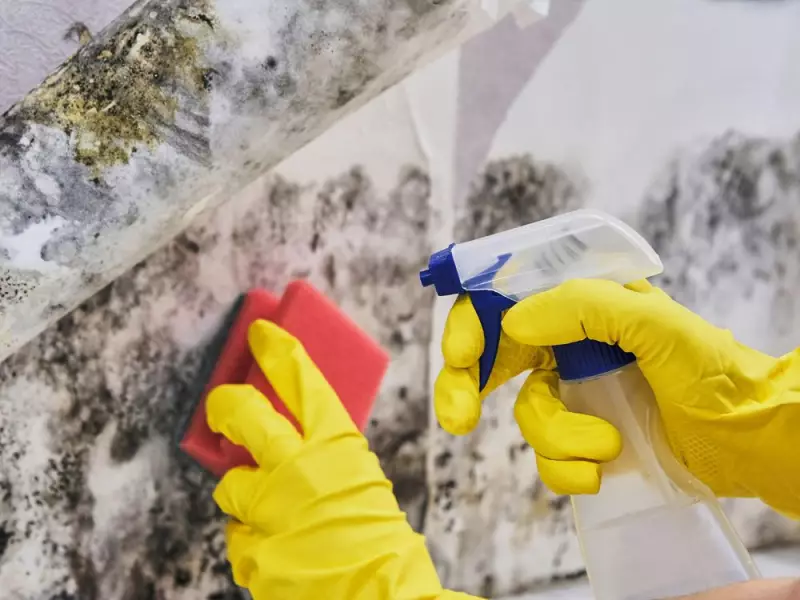
Discovering mould or mildew in your home can be unsettling. These common fungi are more than just an eyesore; they can damage property and pose health risks to residents. While prevention through proper ventilation and humidity control is ideal, growth can still occur. This guide, drawing on expert insights, provides a comprehensive strategy for Canadian homeowners to tackle these unwelcome guests safely and effectively.
Understanding Mould and Mildew: More Than Just a Nuisance
Although often used interchangeably, mould and mildew have distinct characteristics. Both are types of fungi that thrive in damp conditions and can trigger allergic reactions or more serious health issues. Mould typically appears fuzzy or slimy and can be black, green, or white. In contrast, mildew is usually flat, powdery, and ranges from white to grey in colour.
The presence of these fungi is a widespread concern. According to experts like Doug Huntley, a senior R&D director at 3M, and Yesenia Soto from 30 Seconds Cleaners, mould releases spores that can cause symptoms mimicking hay fever, including sneezing, runny nose, and itchy eyes. For individuals with asthma, compromised immune systems, or existing lung conditions, exposure can lead to more severe complications like mould-induced asthma.

Identifying and Assessing the Problem
Vigilance is key to early intervention. Be alert for common signs beyond visible growth. Peeling paint, persistent water stains, warped surfaces, or unexplained allergy symptoms that worsen indoors are all potential indicators. A musty, earthy odour is often the first clue of a hidden problem.
Mould flourishes in areas with high humidity, typically above 60%. Common hotspots in Canadian homes include bathrooms, basements, around windows, and any space that has experienced water damage or condensation. The Asthma and Allergy Foundation of America (AAFA) recommends maintaining indoor relative humidity between 30% and 50% to inhibit growth.
When it comes to the often-feared "black mould," experts clarify that colour alone is not the primary danger. Several mould types, including Stachybotrys and Ulocladium, are black. The real concern is the extent of the infestation, not solely its colour. A large colony of any mould type requires prompt and proper action.
A Safe Step-by-Step Guide to Cleaning Mould
For small, contained areas, homeowners can often handle cleanup themselves, but safety is paramount. Before beginning, assess the size of the affected area. The U.S. Environmental Protection Agency (EPA) advises consulting a professional for large infestations or if you are unsure.
If you proceed with a DIY approach, proper personal protective equipment (PPE) is non-negotiable to avoid exposure to spores and cleaning chemicals:
- Wear chemical-resistant gloves that extend to the mid-forearm.
- Use non-vented safety goggles to protect your eyes.
- Don an N95 respirator mask to prevent inhalation of spores and fumes.
Experts strongly advise against using chlorine bleach, which poses health risks and is ineffective on porous surfaces. Instead, opt for simple solutions like soap and water or white vinegar. Melanie Carver of the AAFA emphasizes that these are sufficient for most moulds. For tougher jobs, choose an EPA-registered mould-killing product.
The cleaning process should be methodical:

- Prepare your cleaning solution in a spray bottle. Have a separate bottle of clean water for rinsing.
- Lightly spray the mouldy area and scrub with a soft-bristled brush or cloth to lift the growth. Avoid running fans, which can spread spores.
- Thoroughly rinse the surface with clean water and allow it to air dry completely.
- Once dry, use a vacuum with a HEPA filter to capture any remaining spores from the area. Empty the vacuum contents directly into a sealed trash bag for disposal.
- Launder any used cloths separately on a sanitizing cycle to prevent cross-contamination.
Proactive Prevention for a Healthier Home
The best defence against mould and mildew is a proactive offence focused on moisture control. Regular home maintenance is the first line of defence. Promptly repair leaks, clean spills, and ensure your home is properly ventilated.
Use exhaust fans in bathrooms and kitchens, and consider opening windows when weather permits to improve airflow. Monitoring humidity with an inexpensive hygrometer can help you stay within the recommended 30-50% range. If levels are consistently high, a dehumidifier can be an invaluable tool. In smaller spaces, moisture-absorbing desiccants or humidity-loving plants like peace lilies can assist.
For homes with forced-air systems, using high-quality filters certified for trapping allergens can capture mould spores circulating in the air. Standalone air purifiers with HEPA filters can also improve air quality in specific rooms.
By combining vigilant monitoring, immediate action at the first sign of growth, and consistent moisture management, Canadian homeowners can protect their living spaces from the damaging and unhealthy effects of mould and mildew.