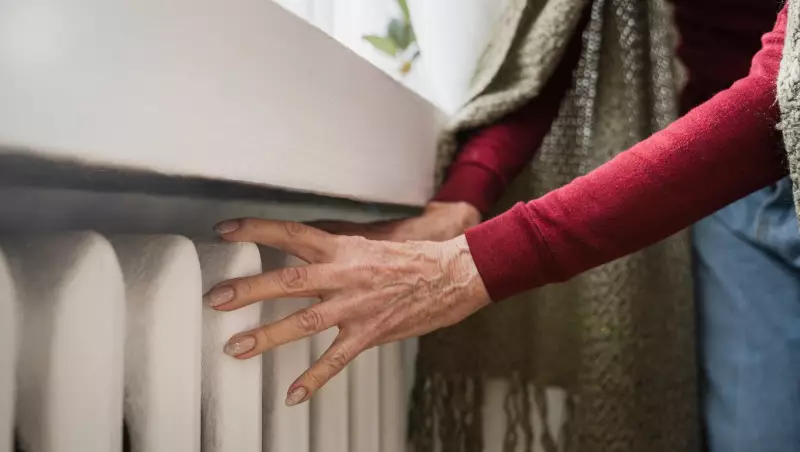
Warming Your Historic Home: Expert Strategies for Winter Comfort
Many homeowners cherish the original hardwood floors and charming pocket doors in their beautiful older residences, yet they often struggle with significant cold during winter months. While some might accept this as an inevitable aspect of living in a vintage property, experts argue that historic homes do not have to be freezing. Elizabeth Finkelstein, co-founder of Cheap Old Houses and author of “Cheap Old Houses: An Unconventional Guide to Loving and Restoring a Forgotten Home,” emphasizes that older structures are not inherently drafty. In fact, many are constructed with superior materials like old-growth wood, brick, and plaster, which offer better insulation than many modern alternatives. However, Finkelstein notes that deferred maintenance can compromise airtightness, leading to unwanted drafts.
Understanding the Stack Effect and Airflow Dynamics
Steve Cymbalsky, founder of Brownstone Home Inspection and The Tinker’s Wagon wood door restoration in Brooklyn, New York, explains the role of atmospheric pressure, specifically the stack effect, in heat loss. Warmer air inside a home is naturally pushed upward and escapes through the roof, a process that intensifies in winter as cooler air enters and is warmed. To mitigate this effect, Cymbalsky advises reducing openings where air can enter at both the lower and upper levels of the house. Both experts stress the importance of sealing entry points for cold air and enhancing insulation to retain warmth effectively.
Practical Solutions to Enhance Heat Retention
If you are looking to improve your home's heat retention for the upcoming cold season, consider these expert-recommended strategies:

- Insulating Shrink Film for Windows: A budget-friendly option, this clear film shrinks over windows to block cold drafts. Available in kits for multiple window sizes, it has received positive reviews for reducing heating bills and eliminating breezes.
- Door Seals and Sweeps: Seal the bottom of doors with pre-made wood-capped sweeps or custom solutions. Cymbalsky recommends focusing on inner vestibule doors, where insulated wooden door stops can be installed to prevent air leakage.
- Weighted Door Stoppers: These draft stoppers are an effortless way to block wind and retain warmth, with options available in various colors and sizes. They also help with soundproofing and can be machine-washed.
- Thick, Insulated Drapes: Finkelstein suggests using heavy thermal curtains to increase insulation around windows. These drapes not only keep out light and sound but also help regulate temperature year-round.
- Fireplace Covers: When not in use, fireplaces can be a significant source of cold air ingress. Magnetic fireplace blankets are an effective solution to block airflow and reduce heating costs.
- Dryer Vent Maintenance: Ensure your dryer vent cover is functioning properly to prevent cold air from entering. Specialized seals allow hot air to escape while keeping outdoor air out.
- Covering AC Units: Remove or cover window air conditioning units and through-wall vents to limit drafts. Various covers are available in sizes to fit specific appliances.
- Humidifiers for Added Warmth: Finkelstein recommends using a humidifier with warm mist capabilities to combat dry winter air, which can make spaces feel warmer and more comfortable.
By implementing these measures, homeowners can enjoy the charm of their historic properties without sacrificing comfort during the colder months. These steps not only enhance warmth but also contribute to greater energy efficiency and potential savings on utility bills.