






Five Design Moves to Elevate Your Home's Luxury in 2026
Elevate Your Home's Luxury with Five 2026 Design Moves

Five Design Moves to Elevate Your Home's Luxury in 2026

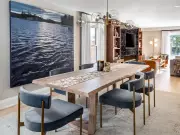
Creating a home that feels elevated doesn't require a full-scale renovation or a giant inheritance—just intention, restraint, and knowing where to place your design dollars. In 2026, "expensive" isn't about showiness; it's about thoughtful materials, quiet refinement, and spaces that feel crafted rather than assembled. Here are five smart design decisions that instantly dial up sophistication, supported by insight from some of Toronto's most respected designers.

Invest in Fewer, Better Pieces

When clients want their home to feel more expensive, I always encourage them to invest in quality over quantity, says Jessica Cinnamon, Principal Designer and founder of Jessica Cinnamon Design Inc. Upgrading foundational materials—flooring, stone, and millwork—has the biggest impact. These are the surfaces you interact with every day, and they quietly set the tone for the entire home.

Cinnamon explains that premium materials immediately communicate craftsmanship and longevity. A solid hardwood floor, a thoughtfully chosen stone, or custom millwork creates a sense of permanence and intention—an effect that can't be replicated with trend-driven decor or fast-furniture buys.

For homeowners trying to distinguish real quality from pieces that photograph well, Cinnamon recommends paying attention to construction: the weight of a piece, the stability of joints, and how finishes hold up over time. Long, wide planks in walnut or European oak instantly elevate a space, while metals such as bronze and aged brass signal enduring beauty. These materials develop character as they age, rather than looking tired or dated. They feel purposeful, not disposable. The result? Refined, lasting interiors where every element earns its place.

Paint with Intention

According to Golara Ghasemi, Creative Director and Principal Designer of Studio Golara Design, paint has evolved into a subtle architectural tool. Rather than a single accent wall, we now use colour to shape the space—wrapping walls, ceilings, trim, and even cabinetry in the same tone for depth and cohesion. This approach creates mood, atmosphere, and character without adding physical ornamentation.

High-end projects in 2026 are leaning into soft, timeless neutrals alongside deeper nature-inspired hues: earthy greens, muted blues, and warm, complex neutrals. These palettes feel curated instead of trendy. To avoid colours that will age poorly, Ghasemi recommends sticking to shades found in natural materials and using bolder tones on elements that can be updated more easily, such as built-ins or interior doors.

One mistake she sees frequently? Treating paint as an afterthought. Even a beautiful shade can fall flat if it doesn't respond to the room's lighting or architecture, she explains. Considering ceilings, millwork, and natural light ensures the paint enhances the space rather than fighting it.

Use Texture as the New Decoration

Olivia Bailey, Creative Director and Principal of Olivia Bailey Interiors, believes texture is one of the most powerful tools in today's design vocabulary. Texture adds warmth, depth, and tactile interest. It makes minimal spaces feel personal and grounded.

Rather than filling rooms with objects, Bailey builds richness through tactile layers—linen, wool, boucle, raw timber, textured rugs, and handmade ceramics. These surfaces bring character without visual clutter and work beautifully in restrained or neutral-centric interiors. A single handcrafted piece carries more presence than multiple mass-produced accessories.

Simple swaps, like replacing shiny synthetic cushions with linen or adding a plush, natural-fibre rug, can dramatically shift a room's tone. Texture is the shortcut to quiet luxury.

Let Light Shine

Lighting is one of the most transformative yet underestimated elements of a space. Designers consistently agree that layered lighting instantly elevates a home. Task, ambient, and accent lighting work together to soften harsh corners, highlight materials, and provide dimension.

High-quality, layered lighting highlights details and creates warmth and depth, Bailey notes. A typical living space might mix a diffused overhead fixture, sculptural table lamps, a reading light near the sofa, and subtle accent lighting such as picture lights or LED strips on shelving. This creates a dynamic, adaptable environment rather than a single flat wash of light.

Homeowners can dramatically improve their lighting without tearing open walls. Plug-in sconces, dimmers, warm-temperature bulbs, and better lampshades (linen over plastic) offer immediate enhancement. Avoid harsh, cool lighting; warm tones feel intimate and calming, especially in living and sleeping areas.

Edit Ruthlessly—and Leave Space

In 2026, luxury lives in restraint. Negative space gives rooms clarity and intention. Cinnamon says she often helps clients understand that editing is a design skill: Negative space allows architecture, materials, and key pieces to breathe. She adds that restraint signals confidence—when a room isn't trying to impress with abundance, craftsmanship takes centre stage.

Knowing when a room has enough comes down to balance, flow, and function. I usually know a room is complete when every piece serves a purpose or adds meaning, and the eye moves comfortably without overwhelm, she says.

For those with plenty of sentimental objects, grouping meaningful collections is far more effective than scattering items throughout a space. And when in doubt, remove the purely decorative. Clearing even 30 per cent of visible surfaces—and letting one wall remain intentionally bare—immediately elevates the environment.

In 2026, luxury is defined by intention. Considered materials, sophisticated colour, and a strategic play of light and texture create spaces that feel refined rather than showy. It's an edit-first approach to living well.