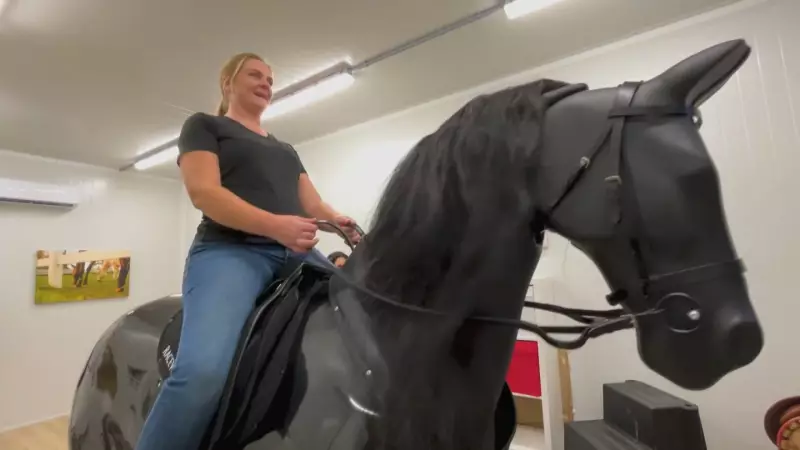
Nova Scotia's equestrian community has embraced a groundbreaking piece of technology: the province's first-ever horse simulator. Located at the Willow and Withers stables, this advanced mechanical steed is already logging significant use, providing riders with a unique and consistent training tool regardless of the weather or time of day.
A New Training Tool for Riders
The simulator offers a high-tech alternative to traditional training methods. Equestrian Kristen Pyke has been pictured utilizing the device, highlighting its practical application for riders of various skill levels. Unlike a live horse, the simulator can be programmed for different gaits, behaviors, and scenarios, allowing for repetitive and focused practice in a controlled environment.
This is particularly valuable in a region like Nova Scotia, where outdoor riding conditions can be unpredictable for much of the year. The simulator ensures that training schedules are not disrupted by rain, snow, or extreme cold, enabling riders to maintain and improve their skills continuously.

How the Simulator Works
The horse simulator replicates the feel and movement of a real horse with remarkable accuracy. Riders can practice their posture, balance, and technique on a mechanical body that trots, canters, and gallops. The system often includes a screen displaying a virtual environment, adding to the immersive experience.
Willow and Withers stables is pioneering this approach in the province, recognizing the potential to enhance rider safety, confidence, and performance. The technology is also used for therapeutic riding programs and for assessing a rider's form without the variables introduced by a living animal.
The Future of Equestrian Training in the Region
The immediate popularity and high mileage of the simulator at Willow and Withers signal a growing acceptance of technology in traditional equestrian sports. It represents a significant investment in the local riding community's development and accessibility.
As word spreads, it is likely that other stables across the Maritimes will observe the benefits. The success of this first simulator could pave the way for more widespread adoption, modernizing training methodologies and making high-level equestrian coaching more accessible throughout Atlantic Canada.
The introduction of this technology underscores a broader trend of blending time-honored practices with innovative tools to preserve and grow passionate pursuits like horseback riding in the modern age.