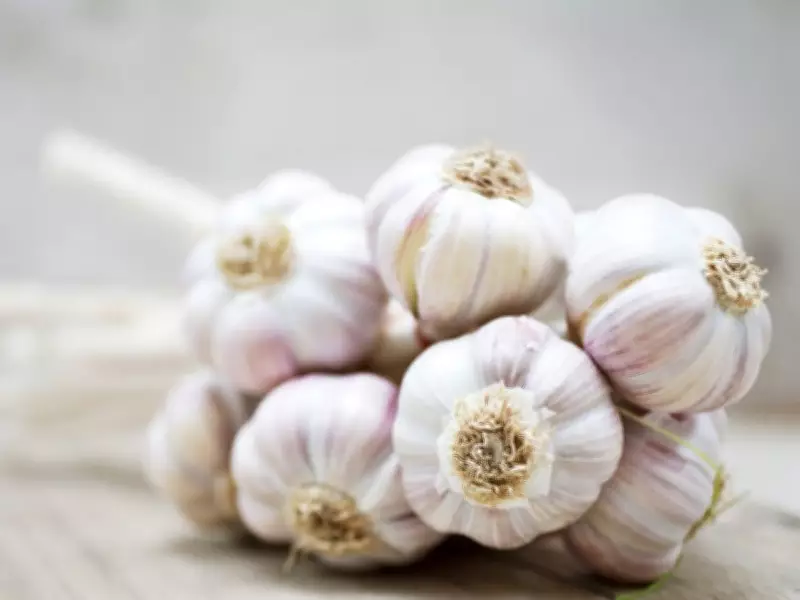
Understanding Garlic Storage Variability: The Impact of Growing Seasons
Home gardeners often wonder why stored garlic sometimes sprouts tiny green shoots as early as mid-winter, while in other years it remains fresh well into spring. According to gardening columnist Helen Chesnut, the answer lies largely in the unpredictable nature of growing conditions.
How Weather Patterns Influence Garlic Longevity
Chesnut has observed significant differences in garlic storage from year to year, particularly in recent times. She attributes these variations to the widely fluctuating types of growing seasons that have become more common.
In years with short summers following long, cool springs, garlic bulbs tend to begin sprouting prematurely, sometimes as early as January. This early sprouting can reduce the bulb's usability and flavor.

Conversely, when warmth arrives early and ushers in a long, hot summer, gardens typically produce larger bulbs that store remarkably well. These robust bulbs can sometimes remain viable into early summer of the following year.
Optimal Harvesting and Storage Techniques
Beyond weather conditions, several key practices contribute to successful garlic storage:
- Harvest timing: Bulbs should be harvested at prime maturity when cloves remain tightly packed beneath their papery coating, but before they begin separating from each other.
- Curing process: After harvesting, place bulbs in a warm, dry location out of direct sunlight for approximately 10 days. This curing period helps complete the drying process essential for long-term storage.
- Storage environment: Keep cured garlic in a dry, dark, cool (but not cold) place to maximize shelf life.
Additional factors that influence storage success include planting only healthy cloves and ensuring the planting site receives full sun with fertile, humus-rich, well-drained soil.
Introducing Petchoa: A New Garden Hybrid
In response to a reader question about a petunia-like flower with vibrant yellow blooms, Chesnut identifies the plant as Petchoa 'Caliburst Yellow.' This relatively new annual represents a cross between petunia and calibrachoa, combining the best traits of both parent plants.
The Petchoa hybrid delivers:
- Large, showy blooms in vibrant colors
- Cold-tolerant plant characteristics
- Seed-grown convenience for gardeners
First introduced in 2024, this flowering plant has gained popularity among gardening enthusiasts. Chesnut recommends checking with local garden centers about spring availability of Petchoa 'Caliburst Yellow' transplants for those interested in adding this colorful hybrid to their gardens.
Understanding the relationship between growing conditions and garlic storage, along with proper harvesting and curing techniques, can help home gardeners extend the usability of their garlic harvest throughout the year.